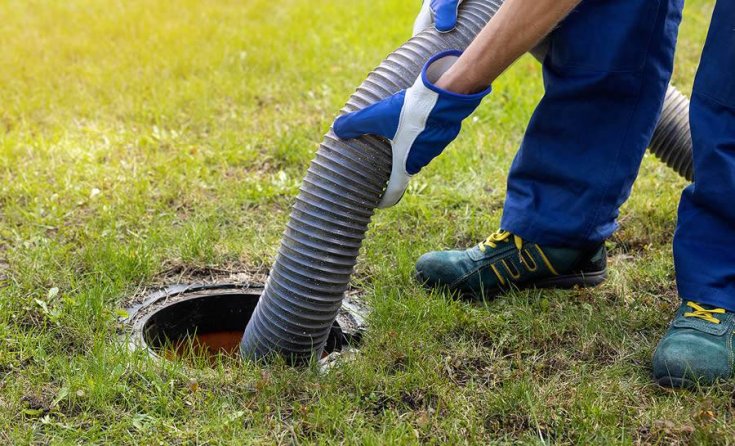
Septic systems are easy to forget about right up until they stop working, and by the time most homeowners notice a problem, the damage is already done. Regular maintenance is the single biggest factor in how long a system lasts, and understanding whether septic pumping in Alamance can prevent system failure is a question worth getting a straight answer on. At Greensboro Septic Pros, we've restored enough neglected systems to know exactly what skipping routine pumping costs in the long run. Keep reading, and we'll walk you through how pumping works, what it prevents, and how to build a maintenance schedule that keeps your system running the way it should.
How a Septic System Works and Where Failures Start
Wastewater flows from your home into the tank, where solids sink to the bottom as sludge and lighter materials like grease float to the top as scum. The liquid layer in the middle, which is called effluent, exits through the outlet baffle and disperses into the drain field, where soil filters it before it re-enters the groundwater.
Most septic system failures stem from one of two issues. Either the outlet baffle gets blocked by accumulated sludge, or solids escape the tank entirely and clog the drain field. A clogged drain field can't be pumped back to health. Replacing it costs between $5,000 and $25,000, depending on size and soil conditions.
The tank is designed to hold waste temporarily, not permanently. When it isn't pumped on schedule, solids build past the safe threshold, and the system loses its ability to process waste. That's where the cascade toward failure begins.
What Accumulates in Your Tank Between Pumpings and Why It Matters
Every time water enters your tank, it adds to three distinct layers. Sludge at the bottom accumulates from solid waste that bacteria can only partially break down. Scum at the top builds from fats, oils, and paper products. Effluent in the middle is the only layer that should ever leave the tank.
Bacteria in the tank break down the organic matter, but they can't eliminate it entirely. Sludge and scum grow regardless of how careful you are about what goes down the drain. Over three to five years, those layers expand enough to crowd out the effluent layer and force incompletely treated waste toward the outlet.
Once solids reach the outlet baffle, they push into the distribution pipes and the drain field. Biomat is a dense biological layer that forms in the soil and blocks absorption. At that point, you'll be looking at an excavation instead of a pump-out.
The Connection Between Neglected Pumping and System Failure
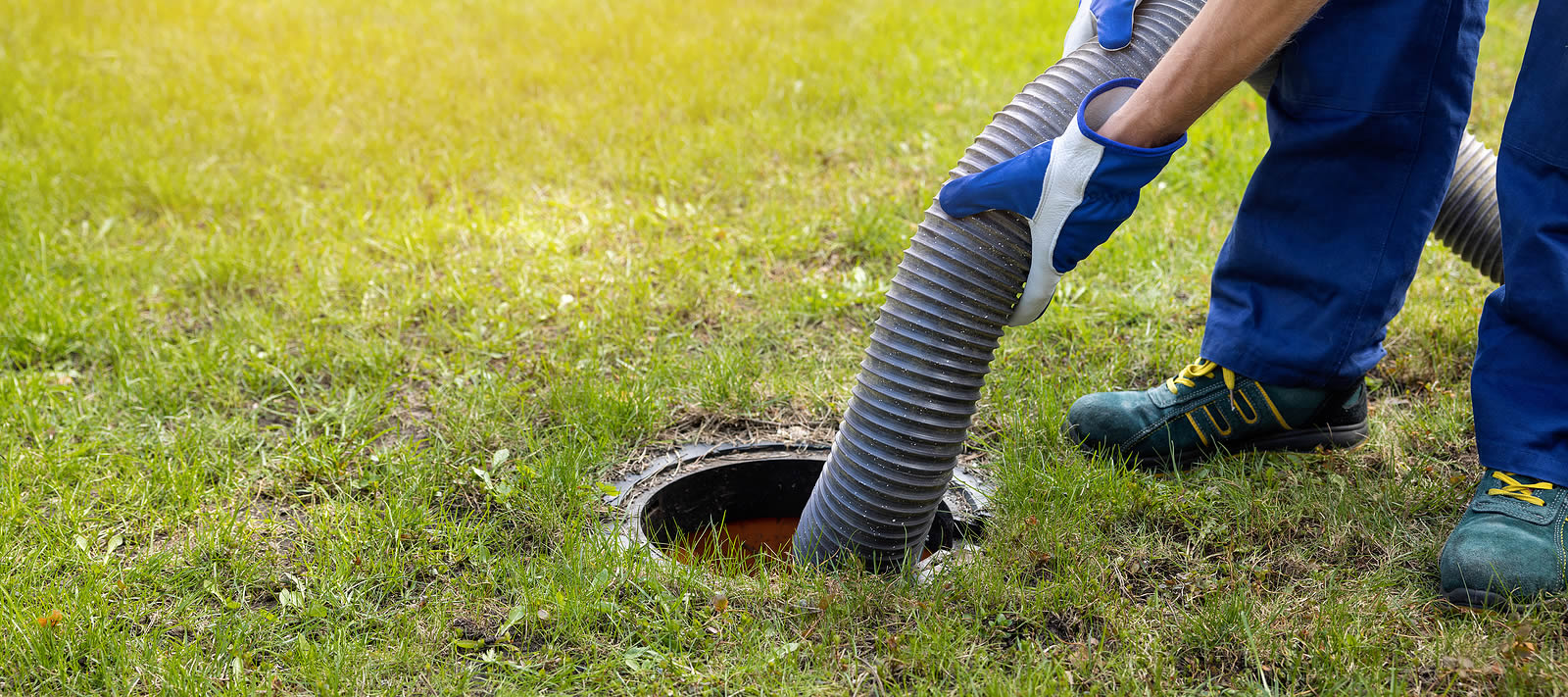
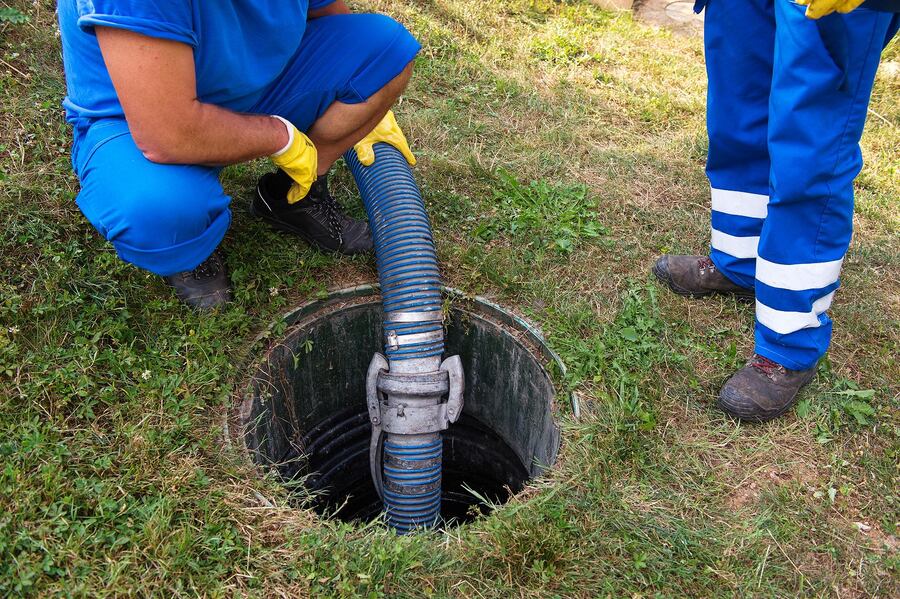
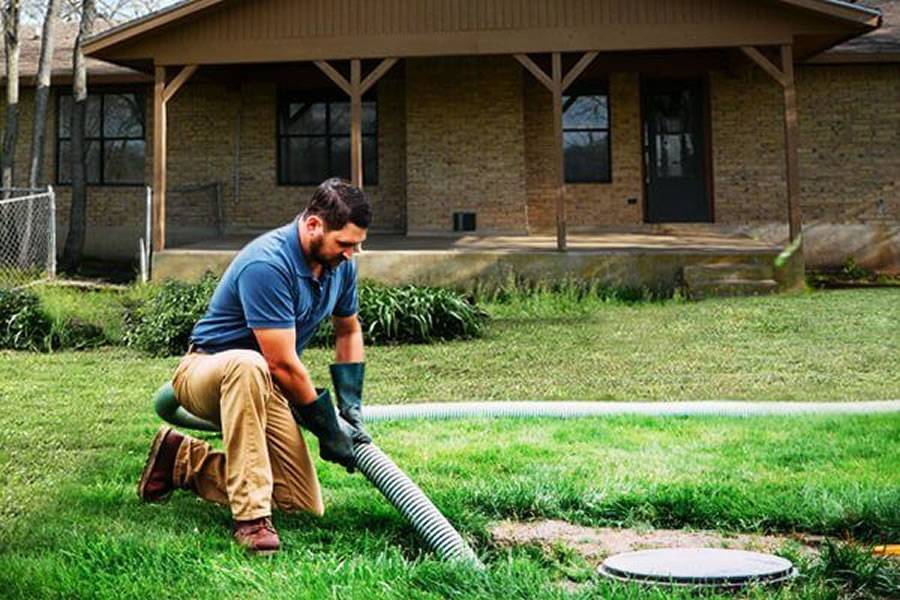
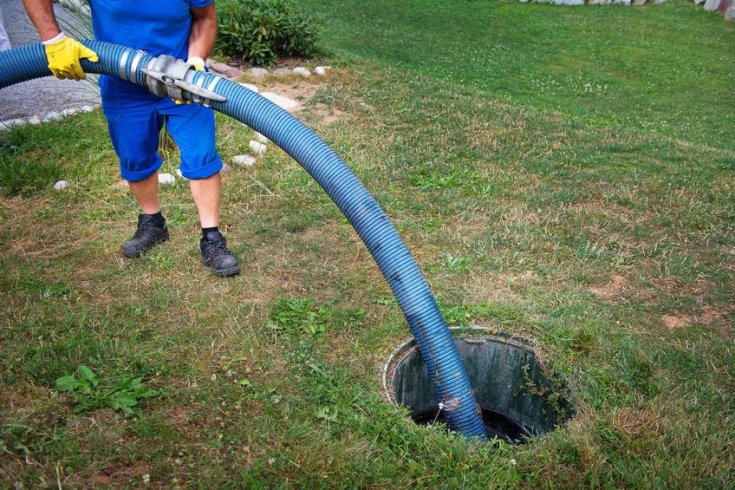
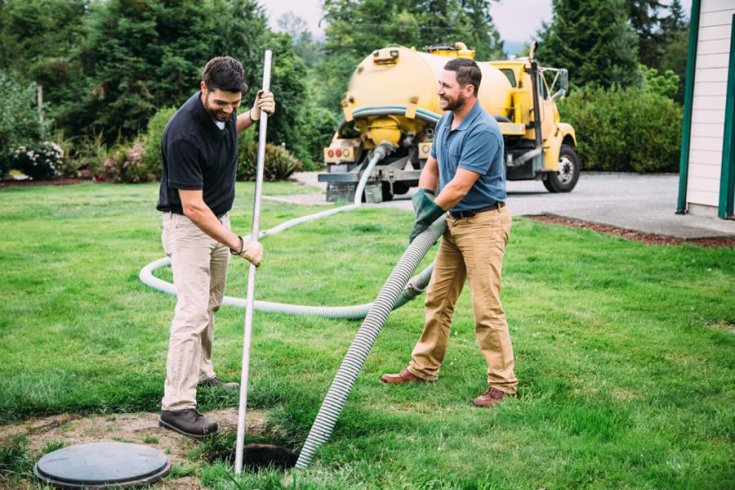
Septic tank pumping removes the sludge and scum before either layer reaches the outlet. It's the only way to reset the tank's capacity and give the system a clean operating baseline. Without it, the tank reaches critical sludge levels and effluent quality drops.
Studies from state environmental agencies consistently show that systems pumped on schedule last far longer than neglected ones. A well-maintained tank can function for 25 to 40 years. Systems that go without pumping could fail before the 15-year mark, and usually require a full drain field replacement rather than simple repair.
How Pumping Fits Into a Broader Septic Maintenance Plan
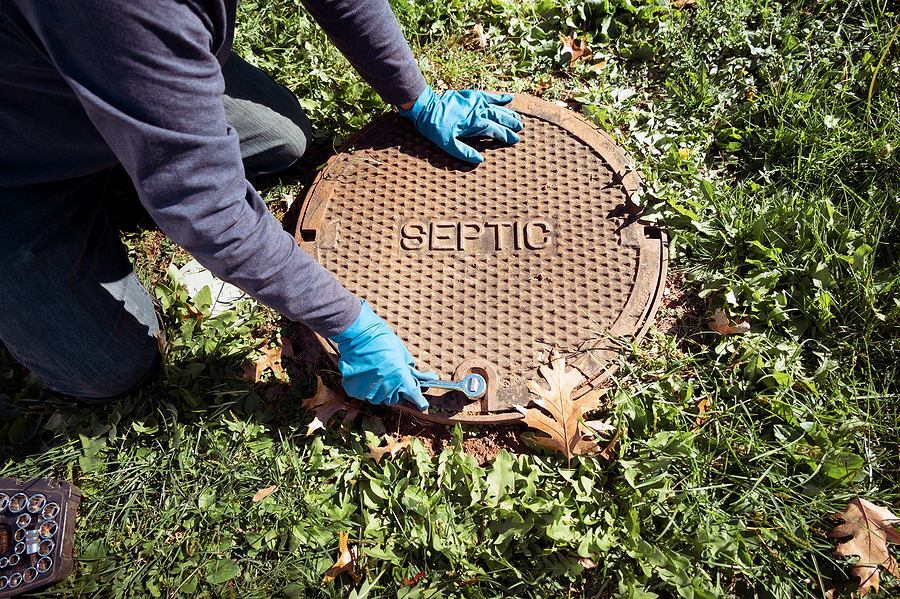
Pumping is the foundation of septic maintenance, but it works best as part of a complete care routine. During a septic service, the technician can also inspect the inlet and outlet baffles, check for cracks in the tank walls, check scum and sludge depths, and flag signs of drain field stress.
Between pump-outs, what you put into your system matters. Avoid flushing wipes, pharmaceuticals, grease, and excessive amounts of harsh cleaning products. These items either resist bacterial breakdown or kill the bacteria your tank depends on to process the waste. Water conservation also reduces hydraulic load on the drain field, and gives it time to absorb effluent between heavy use cycles.
Working with a reliable septic company means you'll get documentation of each service visit, sludge and scum measurements, and a pumping schedule that's calibrated to your household size and tank capacity.
What a Full System Failure Costs Compared to Routine Pumping
A standard septic tank pumping for a 1,000-gallon tank runs between $300 and $600 in most markets. For a household of four, that's a cost you'll face every three to five years. Over a 25-year period, you might spend $2,000 to $4,000 on routine pump-outs.
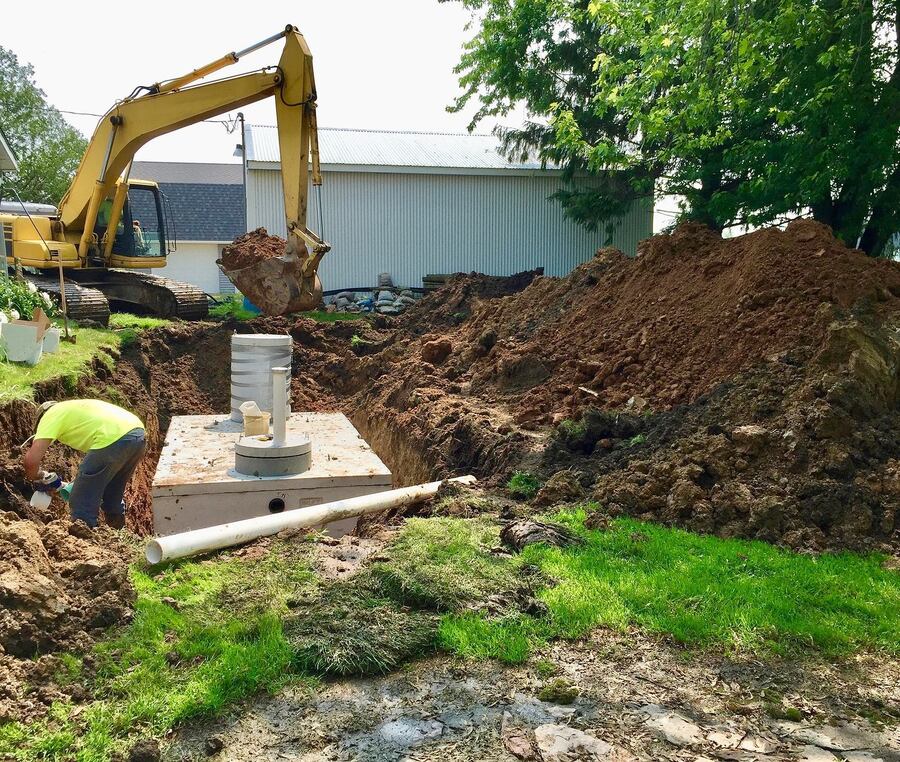
A drain field replacement runs $5,000 on the low end and can exceed $20,000 for larger properties or difficult soil conditions. If the tank cracks or collapses, replacement adds another $3,000 to $8,000. Remediation for sewage that has surfaced in a yard or backed up into a home adds costs for contaminated soil removal and interior cleanup that vary widely based on severity.
Septic maintenance isn't a budget line you optimize away. Routine pump-outs cost a fraction of what a failed system demands. Every homeowner who has dealt with a drain field replacement wishes they'd kept up with pumping.
Schedule Your Next Septic Service with Greensboro Septic Pros
If you don't know when your tank was last pumped, schedule an inspection now. A technician can measure your sludge and scum levels and tell you exactly where you stand. Waiting until you see wet spots in the yard or sewage backing into the house means the damage is already underway. Greensboro Septic Pros provides septic tank pumping, septic cleaning, inspections, and full-service maintenance for residential and commercial properties throughout the Greensboro area. Call us to schedule a visit and get an assessment of your system's condition. If you're looking for a septic company that treats your property like its own, that's exactly what we deliver.