One of the first questions homeowners ask when scheduling a septic service is how long they need to set aside for the appointment. At Greensboro Septic Pros, we think that's a fair question that deserves a straight answer. Here's an honest breakdown of what affects the timeline and what you can realistically expect on the day of your service.
How Long Does a Standard Septic Tank Cleaning Take?
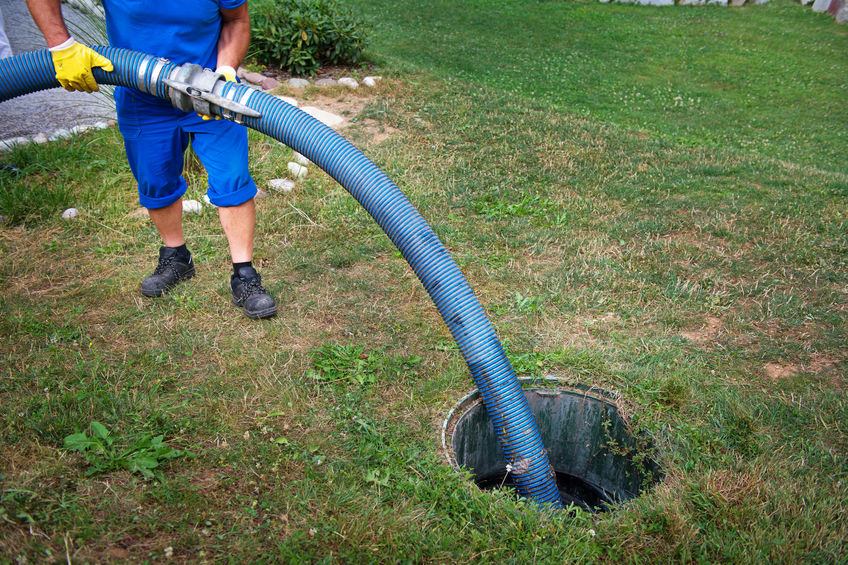
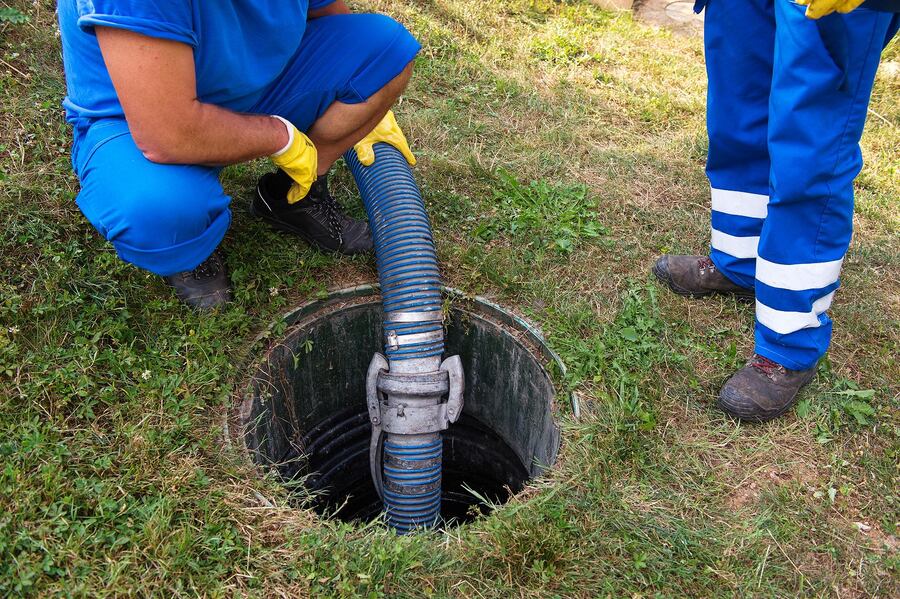
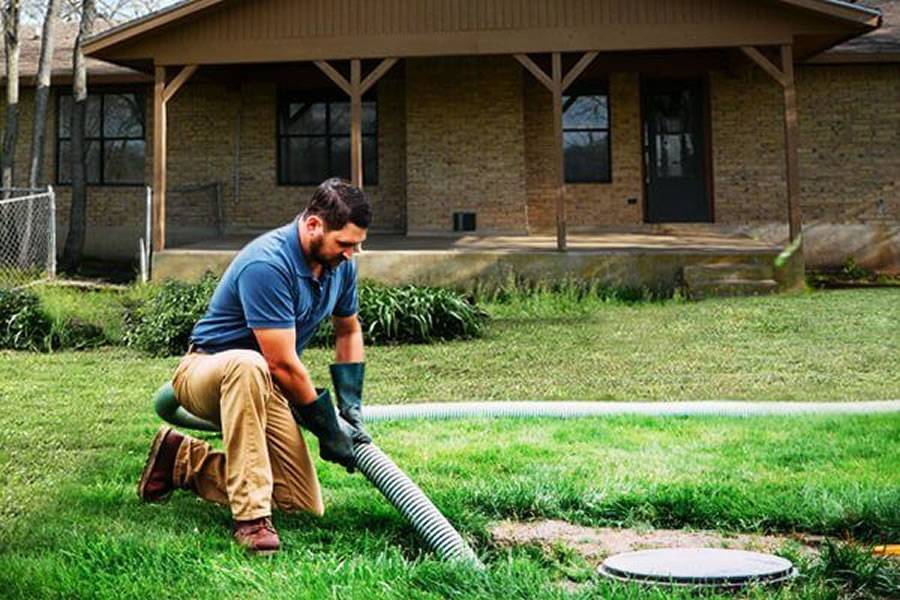
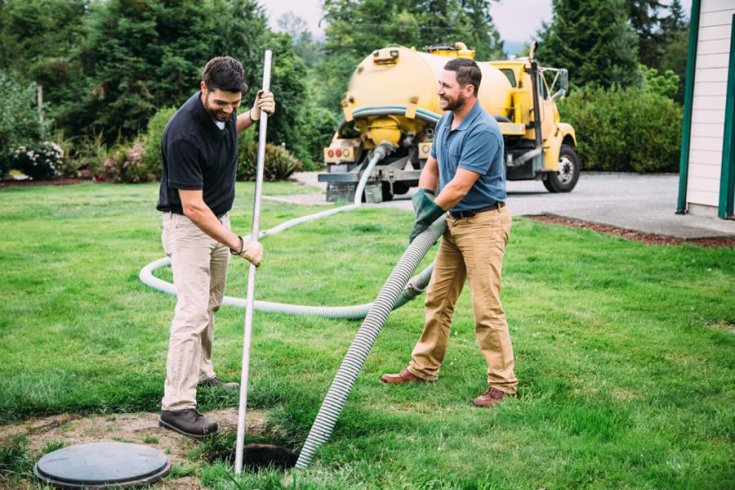
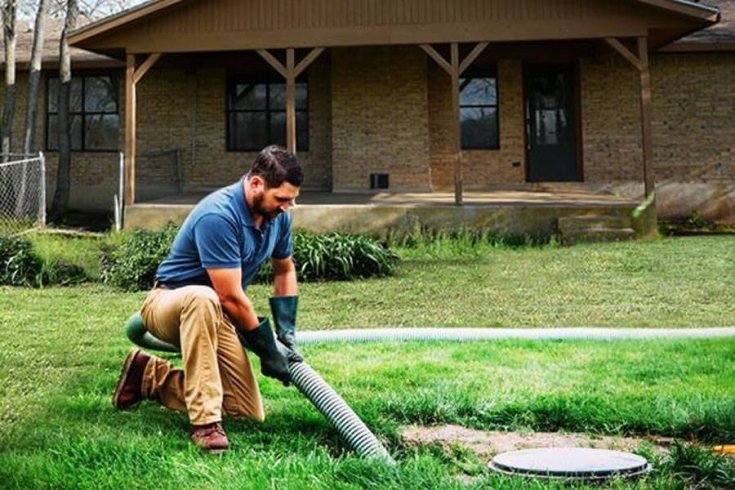
For a typical residential property with a single tank in good condition, septic tank pumping takes between 30 minutes and two hours from the time the technician arrives to the time the truck pulls away. That window covers locating and uncovering the access lids, inserting the vacuum hose, pumping out the waste, inspecting the interior, and closing everything back up.
The 30-minute end of that range applies to tanks that are easy to access, recently serviced, and not overloaded with solids. Two hours is more realistic for tanks that haven't been serviced in several years or that have heavier buildup than average. Most appointments land somewhere in the middle.
Scheduling about two hours gives you a comfortable buffer. That way, you're not rushing back to other commitments if the job takes a bit longer than the minimum estimate. If you've never had a service call before, two hours is a safe block to put on your calendar, regardless of tank size.
What Factors Can Extend the Length of a Service Appointment
Several variables push a septic cleaning past the standard timeframe:
- Time since last service. Tanks that go five or more years between pumpings accumulate a thicker sludge layer at the bottom. That takes longer to break up and remove than fresh waste.
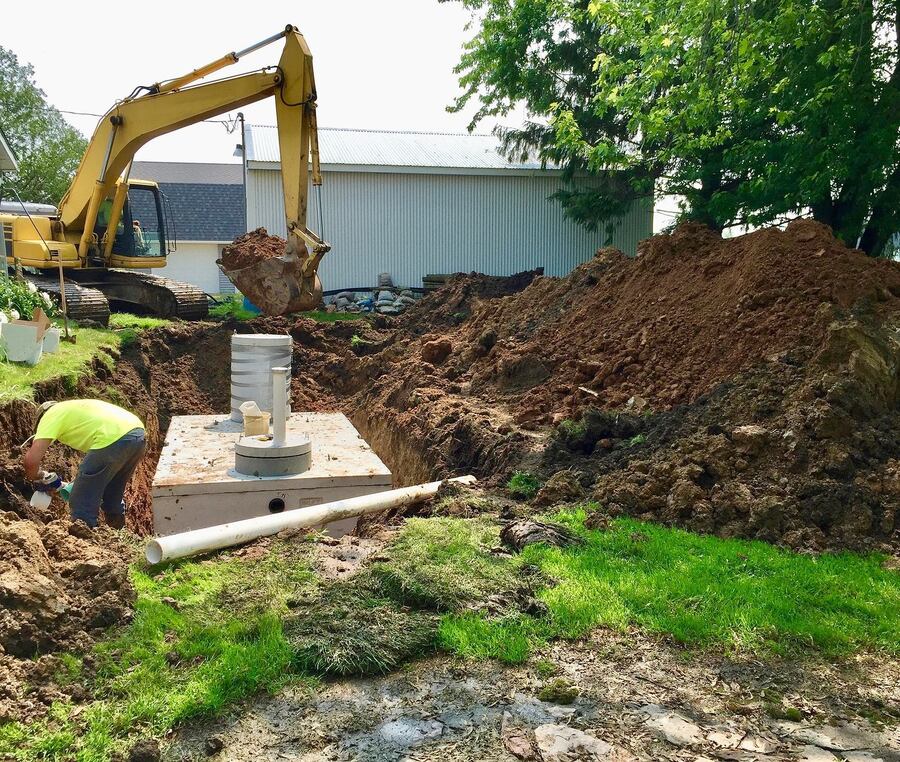
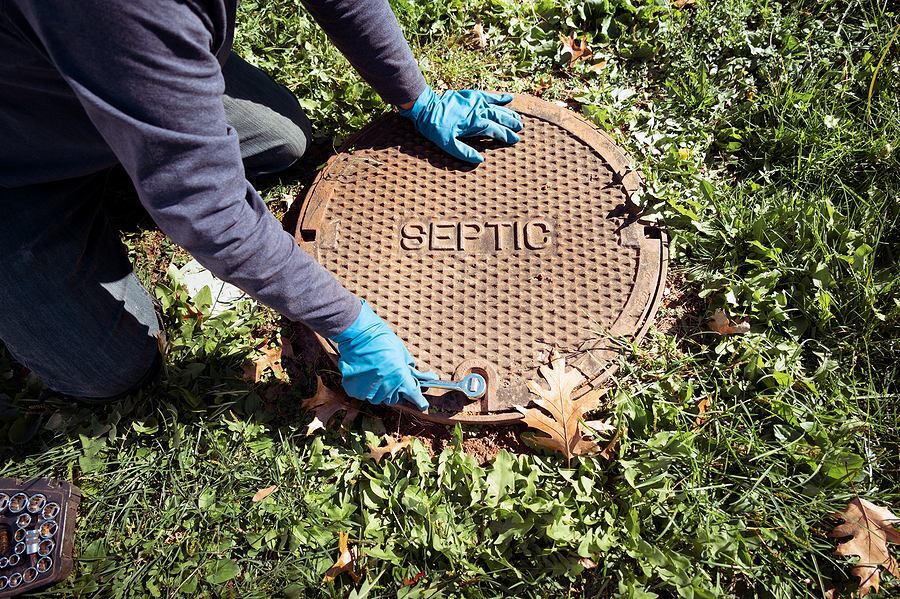
- Buried or unmarked lids. If access lids are buried under soil or sod, the technician has to locate and uncover them before work can begin. That adds time before the pump even turns on.
- Multiple compartments. Some tanks have two or more chambers, each requiring separate attention during septic maintenance.
- Backflow or blockage. If waste has backed up into the inlet baffle or distribution box, the technician needs to clear that before completing the pump-out.
None of these situations is unusual. A good septic company builds time into estimates for common complications rather than promising a flat 45 minutes on every job. Being upfront about those variables from the start is how a reliable company avoids surprise overruns on appointment day.
How Tank Size Affects the Time Needed to Complete the Job
Tank capacity also controls how long septic tank pumping takes. Residential tanks in North Carolina run anywhere from 750 gallons up to 1,500 gallons or more for larger homes. A 1,000-gallon tank at 80 percent capacity holds about 800 gallons of material. Vacuum trucks pull waste at a rate of about 100 to 150 gallons per minute, so the math adds up quickly.
Larger tanks tend to have more surface area at the bottom where sludge compacts. A technician performing a thorough septic cleaning will agitate that layer to break it loose before vacuuming, which adds time but produces a cleaner result. Skipping that step leaves solids behind and shortens the effective interval before the next service is needed.
If you don't know your tank's size, a technician can usually identify it during the appointment. That information helps you plan future septic maintenance on a realistic schedule. Your local permitting office may also have records on file from when the system was originally installed.
What Happens When a Technician Finds a Problem During Cleaning
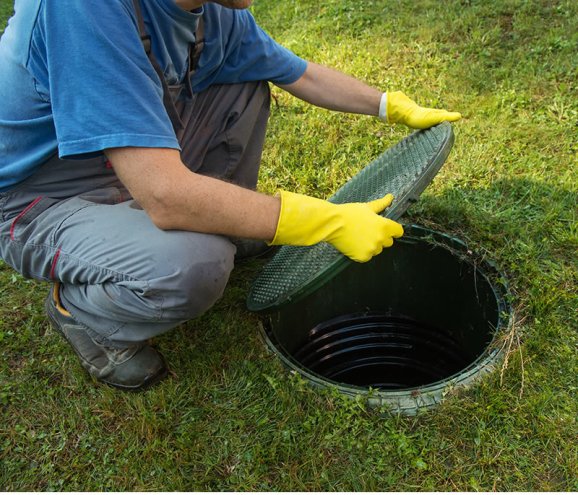
Most septic service appointments are routine. Occasionally, a technician pulls the lid and finds something that needs attention beyond pumping. Common findings include cracked baffles, corroded inlet pipes, tree root intrusion, and damaged effluent filters. Each adds time to the appointment.
A cracked baffle is typically noted and quoted for repair on a return visit, which keeps the current appointment close to its original timeframe. Root intrusion or a collapsed pipe requires more investigation before the technician can give you an accurate scope of work. In those cases, the appointment may extend substantially while the technician assesses the full situation.
When a technician flags a problem, ask for a written description of what was found and where. Documentation helps you compare repair quotes and gives the next technician a clear starting point. Finding a problem during a scheduled septic cleaning is far less disruptive than dealing with a sewage backup after a system failure.
How to Make the Most of the Time a Technician Is on Your Property
A septic company sends a trained technician to your property for that entire appointment window. While the pump runs, ask about the condition of your baffles, the estimated fill rate based on household size, and whether your current pumping interval makes sense. A technician who does this work every day can give you practical answers.
Before the appointment, locate your tank's access lids if you know where they are and clear any vegetation or debris covering them. That saves time at the start and can lower your bill if the septic company charges for excavation labor separately. If you have records from a previous service, pull those out as well. A technician can cross-reference past notes against current conditions and give you a more accurate picture of how your system is performing.
After the pump-out, review the technician's notes on the service report. Records should explain tank condition, any concerns flagged, and recommendations for follow-up. File it with your home records. It gives the next technician a useful baseline and protects you if a warranty or property sale ever requires proof of septic maintenance history.
Schedule Your Appointment with Greensboro Septic Pros
A normal residential appointment runs one to two hours. Tank size, access conditions, time since last service, and what the technician finds inside all affect the final timeline. Greensboro Septic Pros provides residential septic tank pumping for homeowners across the Greensboro area. Our technicians work efficiently, explain what they find, and give you a clear picture of your system's condition before they leave your property. Call us today to schedule your next septic service.