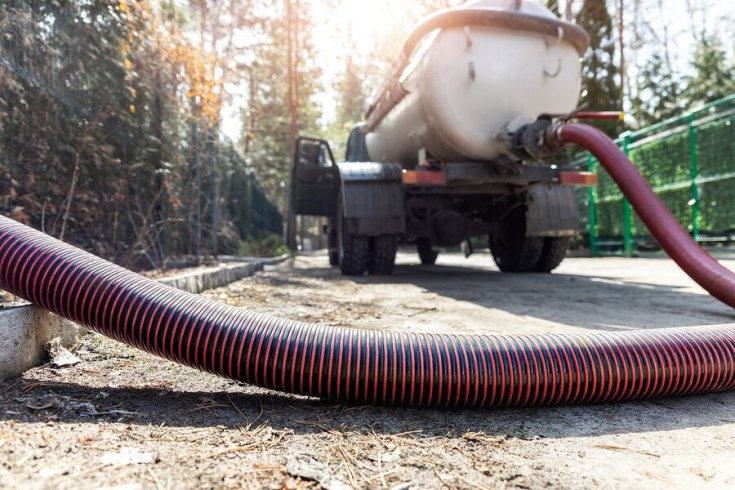
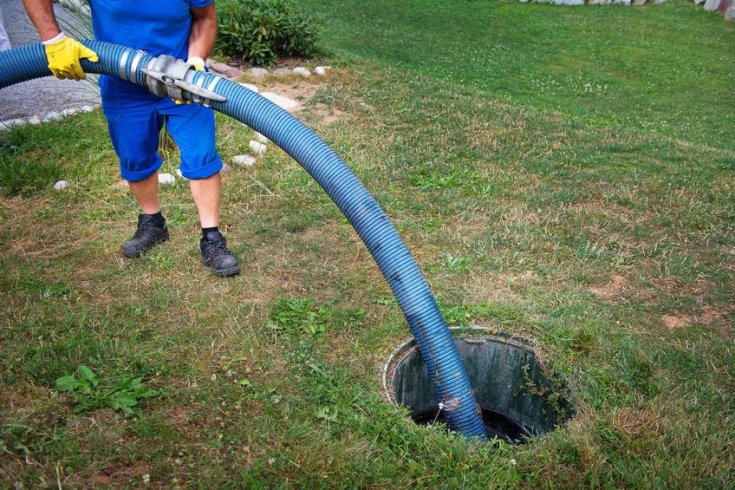
The habits that feel completely harmless inside your home can add up to serious damage in the tank buried in your yard. Things like running multiple loads of laundry back to back, using certain cleaning products, or overusing the garbage disposal all affect how well your system functions. If your daily routine might be hurting your septic tank, the fix is usually simple once you know what to look for. Greensboro Septic Pros works with homeowners across the area who are surprised to find out how much their everyday choices shape the health of their system. Keep reading to find out what habits to change and why they matter.
How Water Usage Habits Overwhelm Your Septic System
Your septic tank relies on a natural separation process. Solids sink, liquids filter out through the drain field, and bacteria break down the waste in between. When you flood the tank with too much water at once, that process gets disrupted before it can finish.
Running three or four laundry loads back to back is one of the most common culprits. Each load pushes 30 to 40 gallons of water into the tank. If you stack four of those together, you've sent 160 gallons through the system in a couple of hours, which can push partially settled solids into the drain field before the tank has had time to do its job. The same problem happens when multiple people shower, run the dishwasher, and do laundry within the same short window.
Spread your laundry across the week instead of completing it all in one day. Install low-flow showerheads and faucet aerators if your household uses a high volume of water daily. These are small changes that protect the tank from hydraulic overload, which is one of the leading causes of premature drain field failure.
Cleaning Products That Disrupt the Bacterial Balance in Your Tank
The bacteria inside your septic tank are doing the actual work of breaking down waste. Bleach, antibacterial soaps, drain cleaners, and certain dishwasher detergents kill the bacteria when they enter the system in large enough quantities. Once the bacterial population drops, solids accumulate faster than the tank can process them.
A single cleaning session where you use bleach in the toilet, antibacterial soap at every sink, and a heavy-duty drain cleaner can collectively eliminate a large portion of your tank's active bacteria. This doesn't cause immediate failure, but it reduces the system's processing capacity. You'll reach the point of needing septic tank pumping in Elon, NC sooner.
Switch to septic-safe cleaners wherever possible. Look for products labeled biodegradable or specifically safe for septic systems. Use bleach sparingly, and avoid pouring any chemical drain cleaner directly into your plumbing.
What the Garbage Disposal Does to Your Solid Waste Levels
Garbage disposals grind food waste into fine particles and send them into the tank. The problem is that those particles don't break down the same way human waste does. They accumulate in the solid layer at the bottom of the tank and contribute to a buildup that can't be fixed through the system's natural process alone.
Homes with garbage disposals normally need septic cleaning in Jamestown 30 to 50 percent more frequently than homes without them. Ground-up food waste, especially fats, oils, and fibrous vegetables, accelerates sludge accumulation and puts extra demand on the system.
You don't have to remove the disposal, but use it minimally. Scrape plates into the trash or compost bin before rinsing them. Never pour cooking grease or oil down the drain under any circumstances. A septic company will tell you that your drain is not a trash can, and your tank pays the price when it's treated like one.
How Flushing the Wrong Things Leads to Premature Drain Field Failure
Drain field failure is the most expensive septic problem a homeowner can face. Replacing a drain field costs anywhere from $3,000 to $15,000, depending on the size of the system and the condition of the soil. A large portion of drain field failures trace back to what people flush.
Wipes that are marketed as flushable don't break down in a septic system. They accumulate in the tank and eventually travel into the drain field lines, where they clog the perforated pipes responsible for dispersing liquid into the soil. Paper towels, cotton balls, feminine hygiene products, and even excessive toilet paper create the same problem. The drain field has no mechanism to push obstructions out. Once the lines clog, the only fix is excavation.
Only flush human waste and toilet paper. Post a short list near every toilet in your home if you have children or guests who may not know the rules. An experienced septic service provider includes an inspection of the inlet and outlet baffles that prevent solids from reaching the drain field. If those baffles are cracked or missing, solids will migrate into the field lines regardless of what you flush. Annual inspections catch this kind of damage, so you can avoid an early replacement.
Building a Maintenance Schedule Around Your Household Size
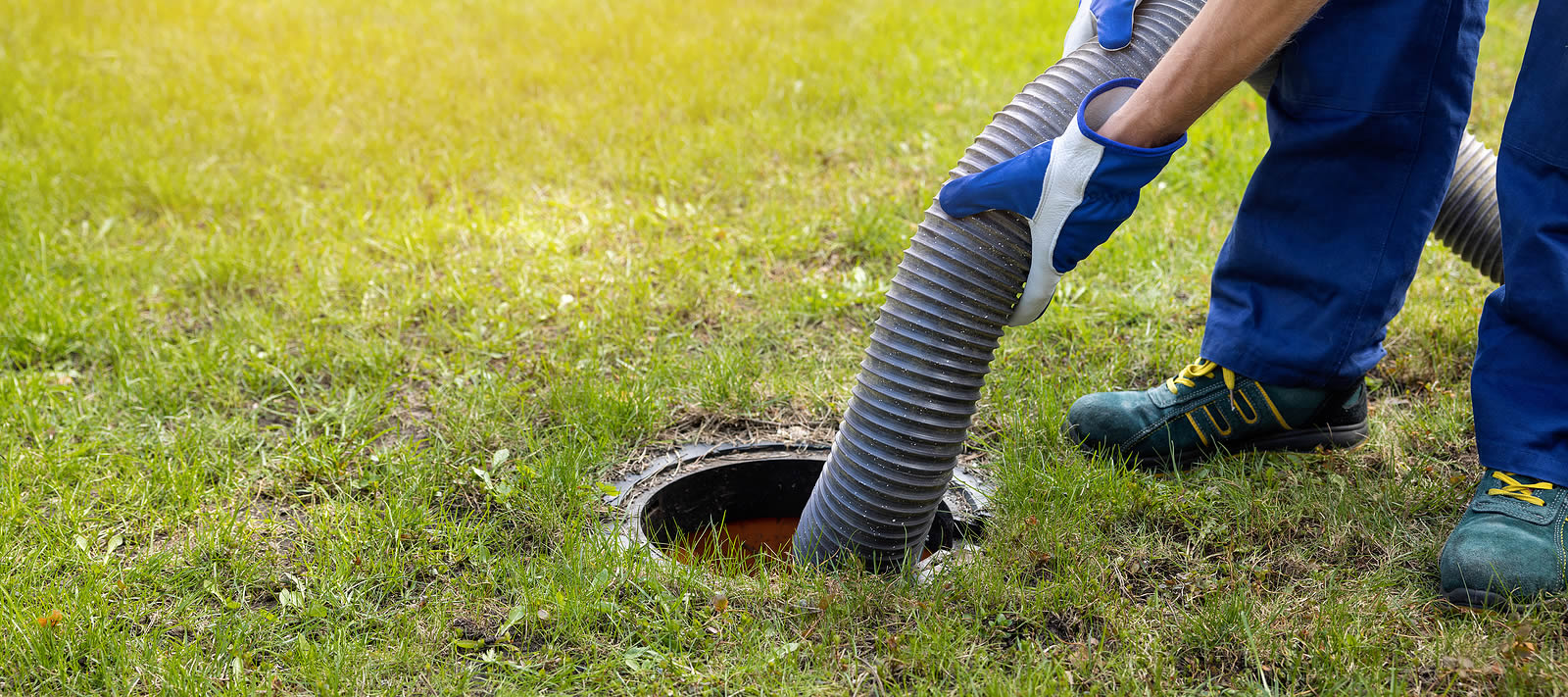
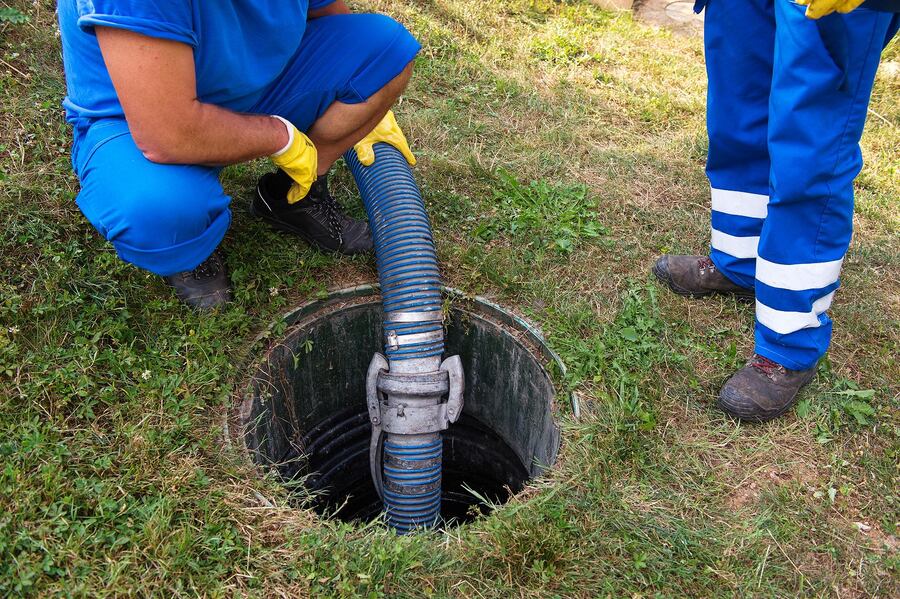
The right septic tank pumping schedule depends on tank size and how many people live in the home. A 1,000-gallon tank that's serving four people needs to be pumped every three to five years. A 1,500-gallon tank serving two people can go closer to seven years between service calls. Waiting past those intervals lets the sludge and scum layers grow thick enough to overflow into the drain field.
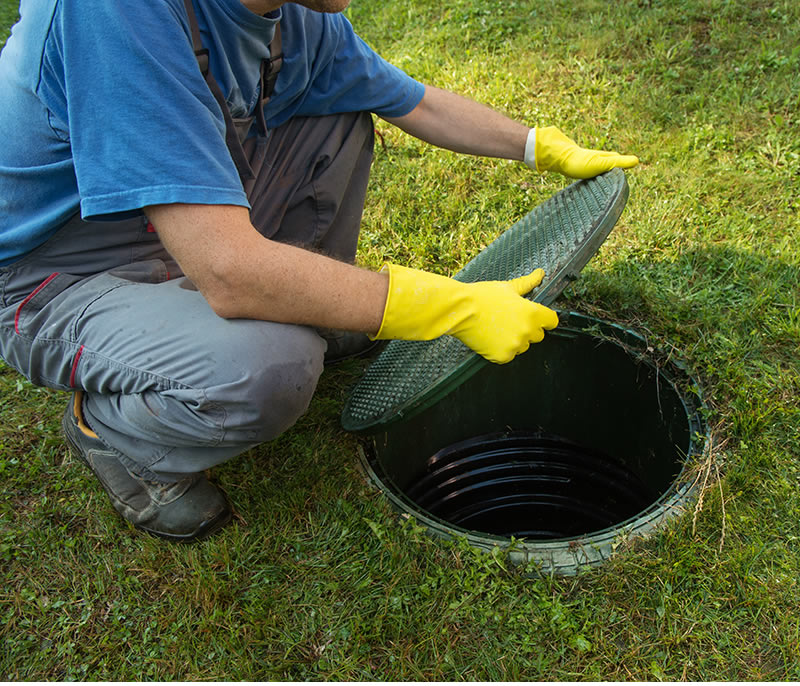
Septic maintenance also includes inspecting the distribution box, checking the tank's inlet and outlet baffles, and confirming the drain field shows no signs of saturation or surface pooling. A licensed septic company completes all of this during a standard visit. What many homeowners don't realize is that documented maintenance history can also affect a home's resale value and is usually required during a property inspection.
Mark your last pumping date somewhere you won't lose it. If you don't know when the tank was last pumped, then it's probably been too long. Schedule an inspection, have the tank pumped if there's any uncertainty, and establish a written maintenance calendar from that point forward. It's less expensive to stay on schedule than to respond to a system backup or drain field emergency.
Do You Need Professional Septic Maintenance?
Your daily habits have a serious impact on how long your septic system lasts. Greensboro Septic Pros provides septic tank pumping, inspections, and full-service septic cleaning for homeowners throughout the Greensboro area. Schedule your next septic service today, and let a licensed septic company take a look at your system's current condition and help you build a maintenance plan that fits your household.