Your drains are flowing, toilets are flushing, and there's no sewage smell anywhere near your yard. Everything seems to be working fine. So why pay someone to pump a tank that doesn't appear to have any problems? It's a reasonable question, and it's exactly the logic that leads thousands of homeowners to skip routine pumping. Greensboro Septic Pros is here to help. Some homeowners genuinely don't understand why maintenance matters when nothing seems wrong, and paying for a service feels like throwing money away, but septic tanks don't work like most things in your home. By the time sewage backs up into your house or surfaces in your yard, the damage has already been done. If you're wondering whether you still need pumping when your septic tank isn't backed up, the short answer is yes. Keep reading because we're going to explain exactly what's happening inside that tank, why the absence of symptoms doesn't equal health, and what happens when homeowners learn this lesson the expensive way.
How Septic Tanks Operate When Everything's Working
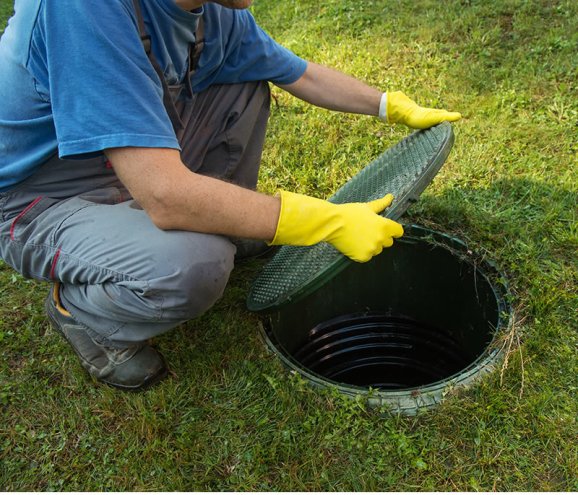
Your septic tank uses a simple but effective separation process. When wastewater leaves your home, it enters the tank and divides into three distinct layers. Heavy solids sink to the bottom and form sludge. Lighter materials like grease and oils rise to the top and create a scum layer. The middle layer consists of relatively clear liquid called effluent, and this is the only portion that should exit the tank and flow into your drain field. Bacteria inside the tank break down some of the organic material in the sludge layer, but they can't eliminate it entirely. The sludge continues to accumulate month after month, year after year. Your drains will work perfectly during this entire process because the effluent still has room to flow out. The tank doesn't care how full the sludge layer becomes until that layer rises high enough to block the outlet or push solids into the drain field. A septic company in Swepsonville can measure your sludge levels during an inspection and tell you exactly how close you are to that threshold. Most homeowners have no idea where their levels stand because the system gives zero indication above ground.
The Sludge Layer
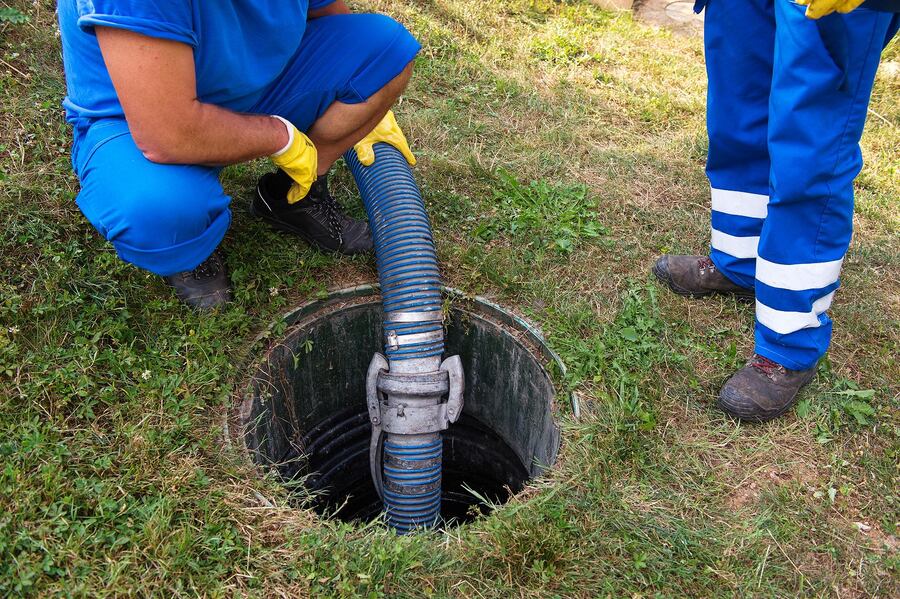
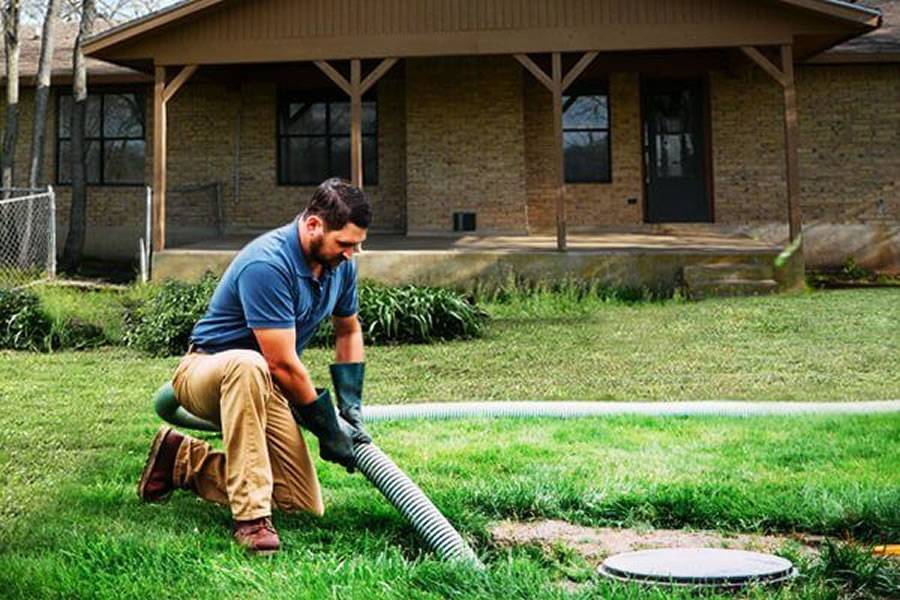
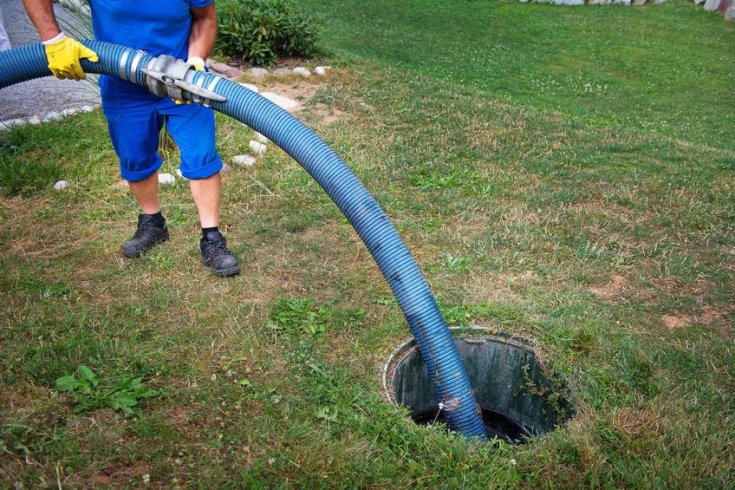
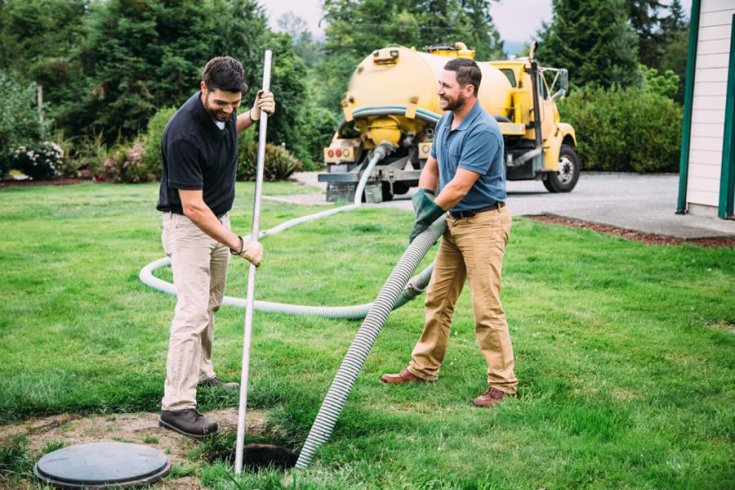
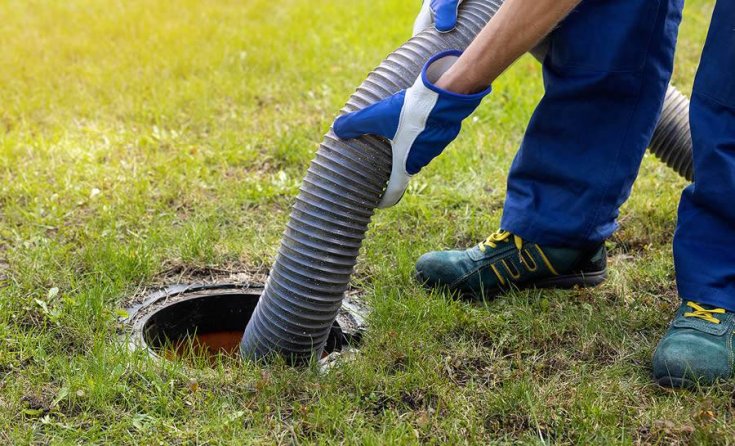
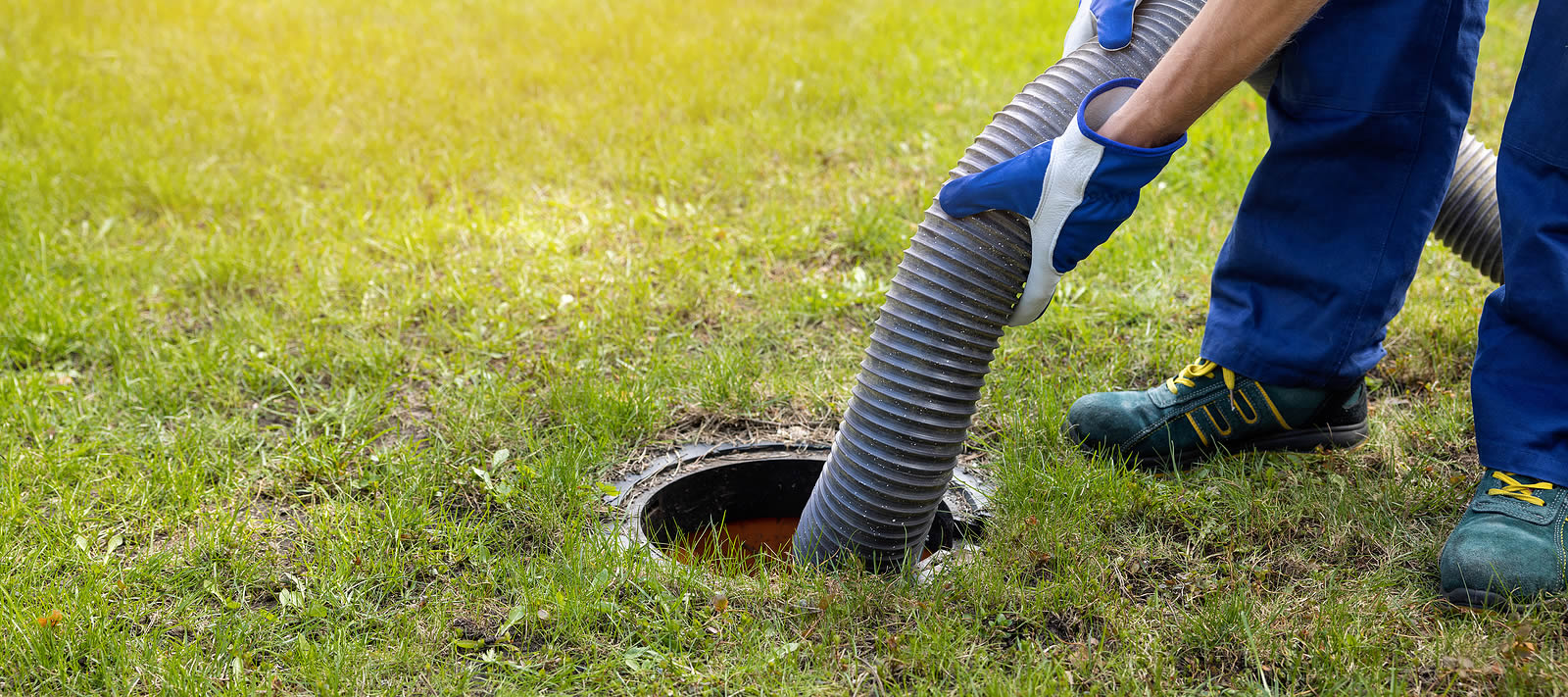
Every flush, every shower, and every load of laundry adds material to your tank. The bacterial colonies inside work constantly to digest organic waste, but they process it more slowly than you produce it. Think of it like a bathtub with the drain slightly open while the faucet runs at full blast. The water level rises even though the drain is technically working. Your septic system follows the same principle. A family of four generates enough solid waste to add several inches of sludge to a 1,000-gallon tank each year. Septic tank pumping removes the accumulated material and resets your system to optimal capacity. Without removal, the sludge layer climbs higher until it reaches the outlet baffle. Once solids start escaping into the drain field, the damage becomes exponentially more expensive to fix. Septic cleaning takes care of the buildup before it creates downstream problems. The process takes about an hour for most residential tanks, and the technician can inspect your baffles and measure your layers while the tank is empty. This information tells you exactly how fast your household fills the tank and when you'll need your next appointment.
Why Backup Is a Late Stage Symptom, Not an Early Warning
Homeowners assume they'll notice warning signs before a septic failure becomes serious. The reality is far less forgiving. A backup into your home means the tank has already lost its ability to accept new wastewater, and the solids have likely invaded your drain field. By comparison, a slow drain or gurgling toilet indicates pressure building in the system. These symptoms appear only after the sludge layer has reached critical levels. Your septic service provider can pump the tank at this point, but the drain field may already contain solids that will clog the soil. A properly maintained system never reaches this stage. Septic maintenance intervals exist specifically to remove sludge while the effluent layer still has adequate separation space. Waiting for symptoms means waiting until the damage has already started. The drain field represents the most expensive component of your entire system, and replacing one can cost between $10,000 and $30,000, depending on soil conditions and local regulations. Pumping the tank every three to five years costs a fraction of that amount and prevents solids from ever reaching the distribution pipes.
The Cost of Routine Pumping vs. Emergency Repairs
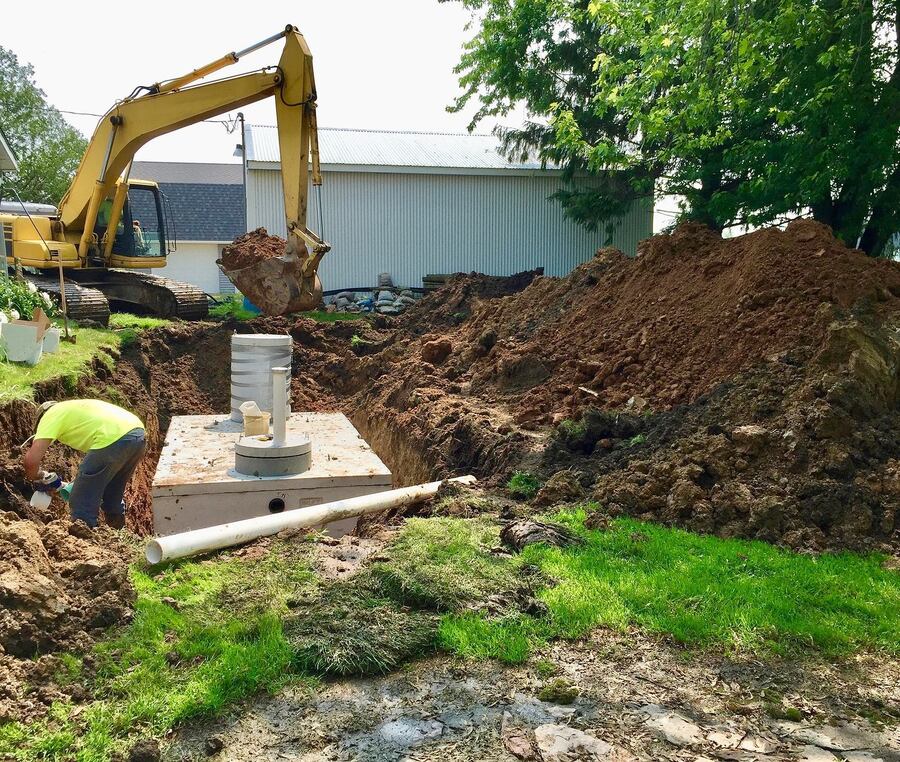
Numbers tell the story better than warnings ever could. A standard septic tank pumping appointment runs between $300 and $600 for most residential systems. That price covers the truck, the labor, and the disposal fees. Schedule this septic service every three to five years, and you'll spend roughly $100 to $200 annually to protect your system. Now compare that to emergency scenarios. A backed-up system requires immediate pumping plus potential line clearing, and weekend or holiday calls carry premium rates that can increase your bill. Drain field repairs start around $5,000 for minor damage and climb past $25,000 for full replacements. Tank replacement runs $3,000 to $10,000 before you factor in excavation and permits. These expenses hit homeowners who skipped routine septic maintenance and assumed their septic system needed no attention. The math favors prevention by an enormous margin. A septic company visit every few years protects an investment worth tens of thousands of dollars. The technician removes the sludge, inspects your components, and gives you documentation of your system's current condition. The record becomes incredibly valuable if you ever sell your property, since buyers and inspectors will want proof of proper septic cleaning history.
Take Action Before Your System Forces Your Hand
Your septic tank doesn't need to show symptoms before it needs attention. The sludge accumulates whether you notice it or not, and the consequences of neglect outweigh the cost of routine care. Contact Greensboro Septic Pros to schedule your next pumping appointment and protect your system from preventable failures.

.webp)