Waiting until sewage backs up into your bathroom is one way to remember your septic system exists. It's also the most expensive and unpleasant way possible. Septic tanks don't need daily attention. It makes them easy to forget, until it costs thousands in emergency repairs or full system replacement. At Greensboro Septic Pros, we spend a lot of time explaining that septic service works best as routine maintenance, not crisis intervention. The system buried in your yard works remarkably well when given basic care on a reasonable schedule. Treating it like something that only needs attention when disaster strikes guarantees you'll eventually face that disaster. Here's how shifting your thinking about septic maintenance protects your property and your wallet.
How Septic Systems Fail Gradually, Then Suddenly
Your septic tank separates wastewater into three different layers. Solids go down to the bottom. Fats and oils float to the top, and the mostly clear liquid occupies the middle zone. The middle layer flows out into the drain field through an outlet baffle designed to keep solids contained in the tank. Bacteria will break down a portion of the solid waste, but the biological process never eliminates accumulation completely.
Each flush, shower, and load of laundry adds more materials.
The trouble builds quietly over months and years. Sludge continues to accumulate inch by inch and scum thickens at the surface. Neither layer creates obvious warning signs until the tank runs out of room for proper separation. The outlet baffle sits at a fixed height. When sludge rises high enough, or scum extends deep enough, solids start escaping into the drain field pipes. The pipes contain small perforations to distribute liquid into the surrounding soil. Solids clog the perforations and coat the soil with a biological mat that prevents absorption.
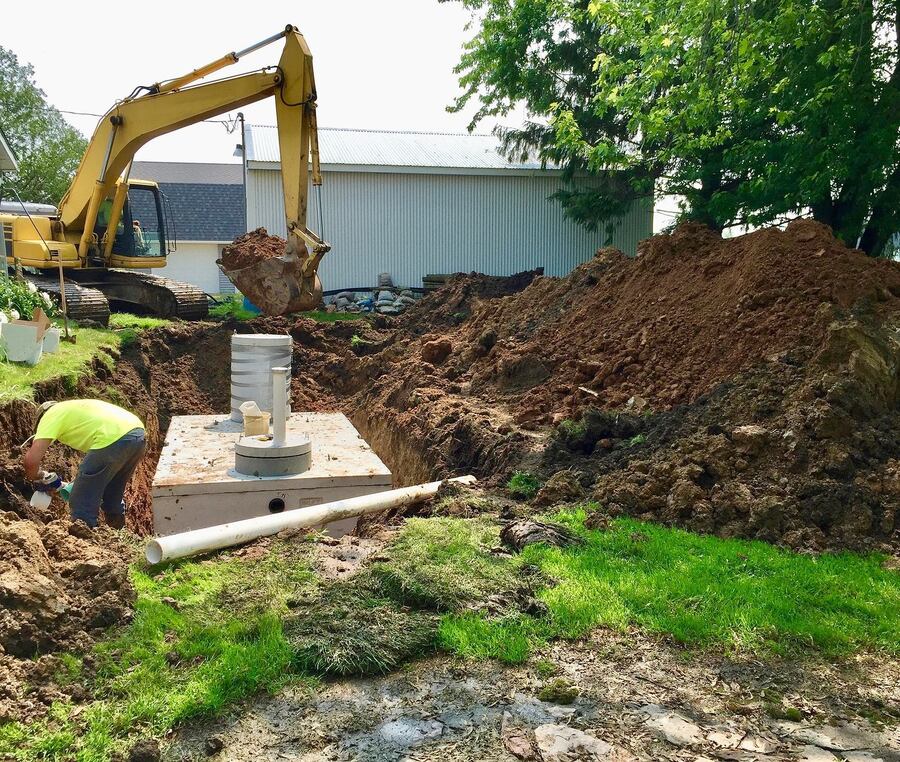
Once drain field damage begins, the process accelerates. Replacement runs between $5,000 and $20,000, depending on soil conditions, system design, and local permitting requirements. The failure doesn't happen overnight. It developed over years of neglect, then reveals itself all at once when the system has finally exhausted its remaining capacity.
The Pumping Schedule That Prevents Most Problems
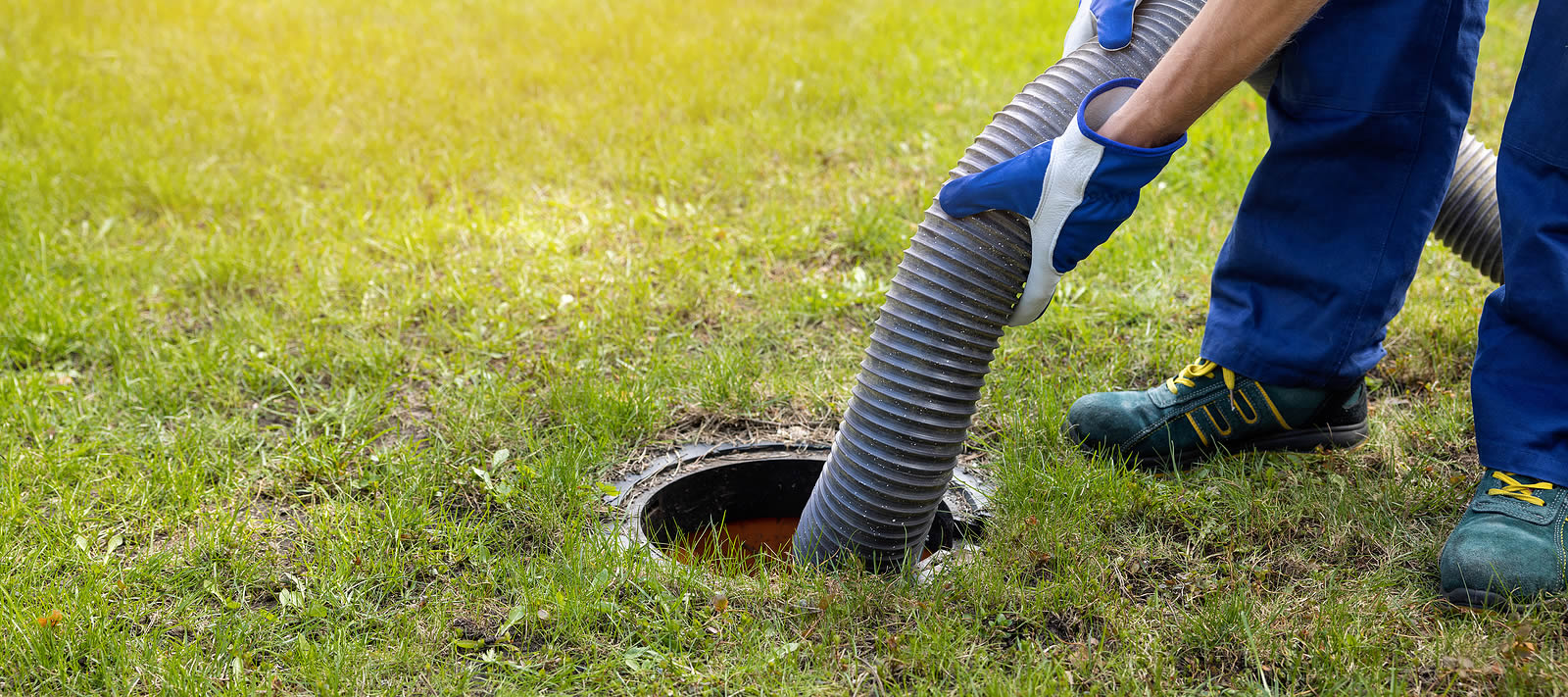
Septic tank pumping removes accumulated sludge and scum before they reach dangerous levels. The EPA recommends pumping every three to five years for most households, but your specific timeline depends on tank size, water usage patterns, and how many people live in the home.
A 1,000-gallon tank serving a family of four will normally need pumping every three years. The same tank serving a couple or a single person might work really well for four or five years between services. Households with garbage disposals should pump more frequently because ground food waste accelerates sludge buildup. Homes with water softeners discharge additional water volume that reduces retention time in the tank. Your septic company can measure sludge and scum depth during inspections and recommend a schedule based on these conditions.
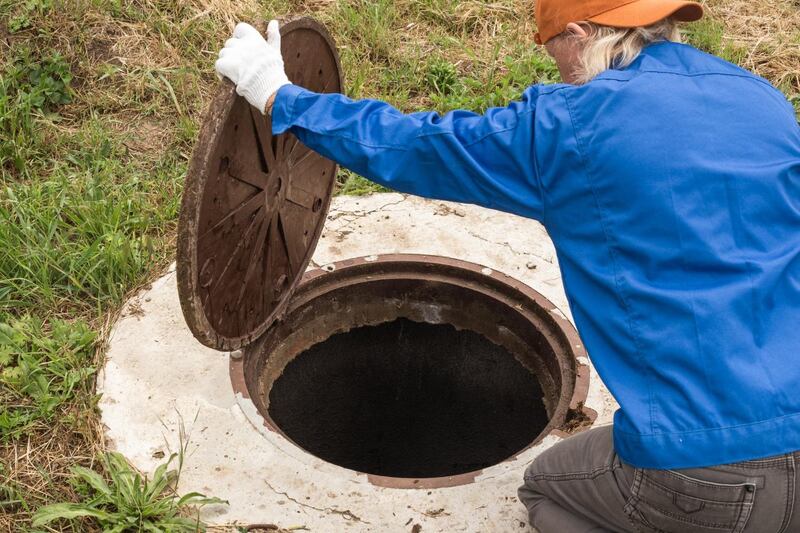
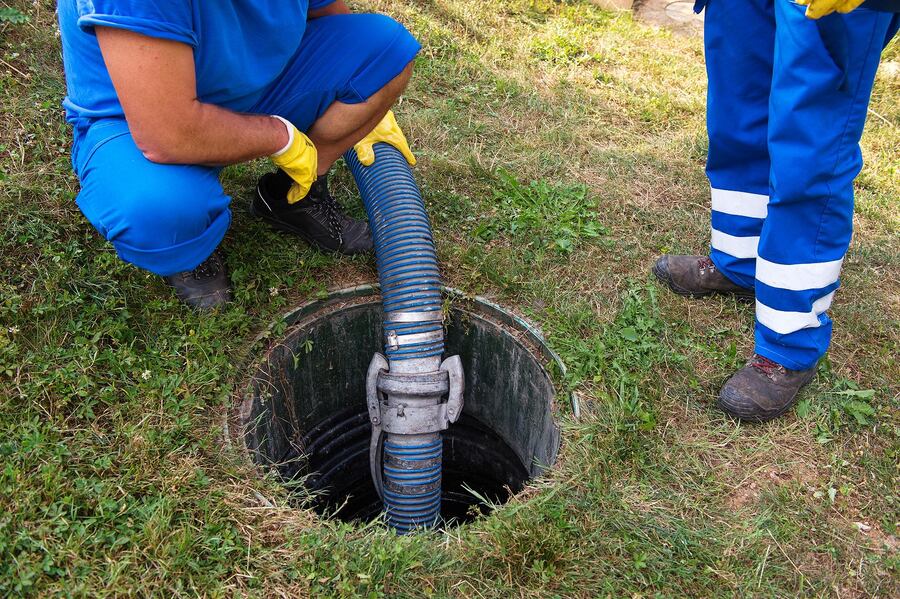
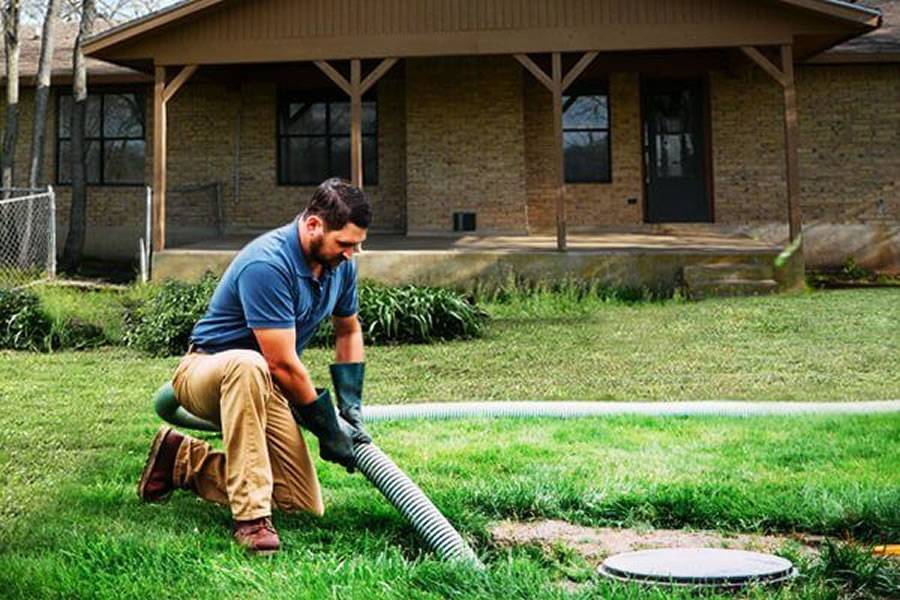
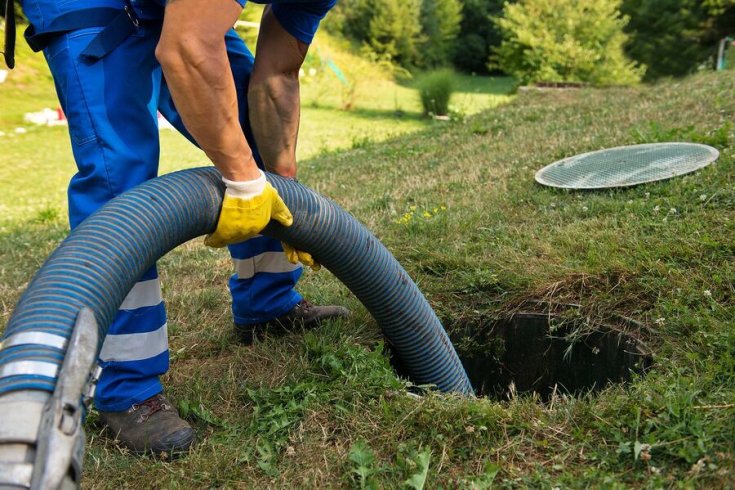
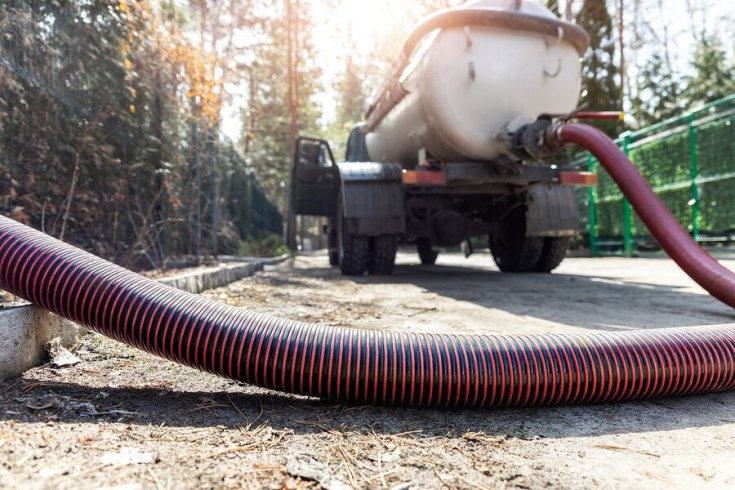
The pumping process takes about an hour for most residential tanks. A vacuum truck arrives, locates your tank access ports, and removes all contents. Technicians can inspect baffles, check for cracks, and note any concerns while the tank sits empty. This window provides the clearest view of tank condition available without excavation. Sticking to a recommended schedule costs between $300 and $500 per visit. Skipping services until problems emerge costs the price of a new drain field when solids finally overwhelm the system.
Inspections That Catch Issues While They're Small
A thorough septic inspection examines components invisible from ground level. Technicians check inlet and outlet baffles for cracks, deterioration, or displacement. They measure scum and sludge layers to verify whether your current pumping interval matches actual accumulation rates. They examine tank walls and seams for signs of structural damage, including cracks in concrete, corrosion in steel tanks, or deformation in plastic units.
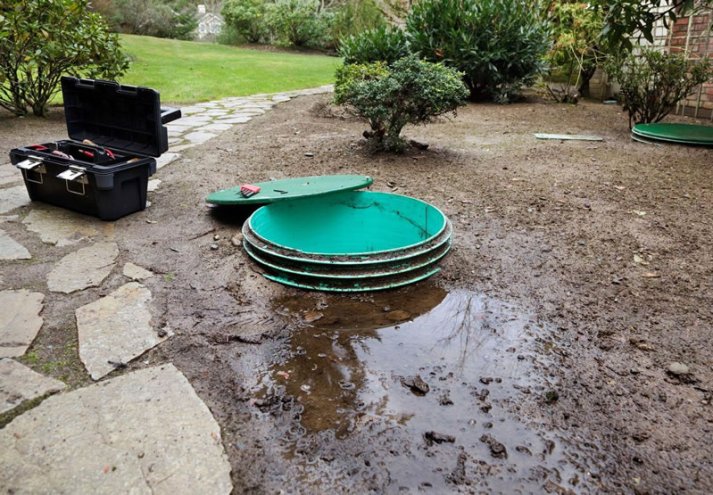
Above ground, inspections include checking distribution boxes that divide flow among multiple drain field lines. Technicians examine cleanout access points for signs of backup or root intrusion. They walk the entire drain field area looking for wet spots, sewage odors, or unusually green grass. These visual cues indicate problems that haven't yet produced obvious symptoms inside your home. A soft spot over a drain line might signal a cracked pipe.
Catching a cracked baffle during a routine inspection means a repair costing a few hundred dollars. Missing that crack allows solids to flow directly into your drain field for years, destroying components that cost thousands to replace. An inspection revealing early-stage drain field saturation allows time for resting the field, adjusting household water use, or planning repairs before complete failure forces emergency decisions.
Costs of Maintenance Versus Costs of Major Repairs
Regular septic cleaning and pumping averages $400 per service visit in most markets. Inspections add another $100 to $300, depending on the scope and whether they include opening tank lids or using cameras to examine pipes. Over a ten-year period, a well-maintained system costs approximately $1,500 to $2,500 in total routine care. That figure covers three or four pump-outs plus periodic inspections and minor adjustments.
Compare those numbers to emergency repair scenarios. Replacing a failed effluent pump in a system requiring pressurized distribution runs $800 to $1,400, including parts and labor. Installing a new distribution box costs $500 to $1,500. Drain field replacement starts around $5,000 for simple gravity-fed configurations in favorable soil and climbs past $15,000 for engineered mound systems or installations requiring major excavation. Complete system replacement, including tank and drain field, ranges from $10,000 to $25,000 depending on site conditions and local requirements.
Those emergency figures exclude secondary damage. A sewage backup inside your home requires professional remediation that costs $2,000 to $10,000, depending on the affected square footage and materials. Contaminated carpet, drywall, and flooring require removal. Subfloor materials may need replacement. Insurance policies vary considerably in their coverage of septic failures, and many exclude damage resulting from demonstrable lack of maintenance. Documented service records protect your coverage position. Routine care eliminates most scenarios that produce five-figure repair bills and keeps your insurance claim options intact if something does go wrong.
Creating a Long-Term Care Plan for Your System
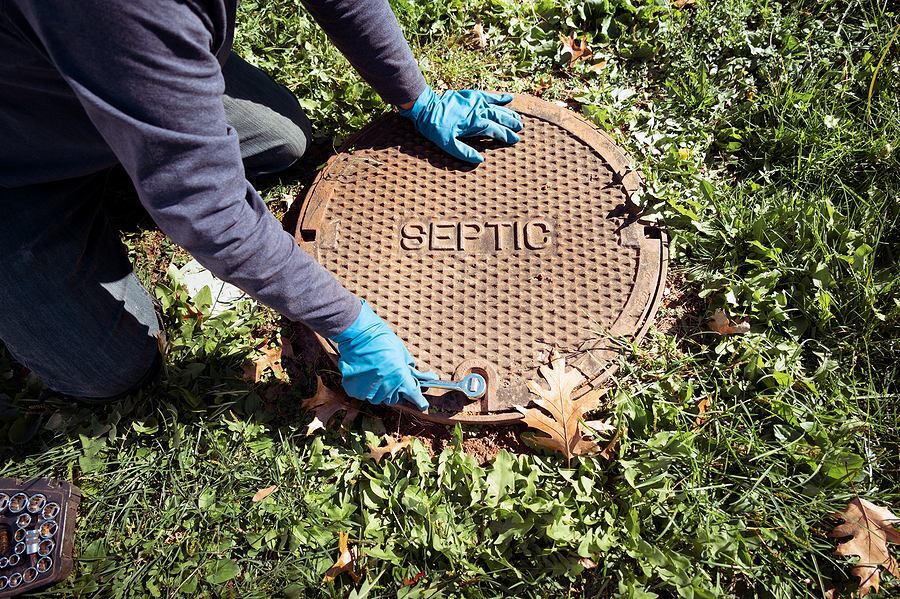
Effective septic care starts with knowing your system's specifications. Locate your tank and mark its position permanently. Determine tank capacity from installation records or by asking a technician to measure during the next service visit. Note the type of drain field installed and its approximate footprint on your property.
Set a pumping schedule that matches your household size and water use. Keep a record of each septic tank pumping date along with notes from the technician on sludge levels, scum depth, and overall component condition. Reviewing this information can reveal patterns. Faster buildup may reflect changes in household habits or early system issues, while shorter intervals between pump outs can point to groundwater or surface runoff entering the tank.
Between service visits, protect your system through daily choices. Spread laundry loads across the week rather than running five consecutive loads on Sunday. Fix leaking toilets and faucets quickly since constant small flows reduce retention time in the tank. Avoid flushing anything beyond human waste and toilet paper. Direct roof gutters and foundation drains away from the drain field area. Keep vehicles and heavy equipment off buried components. These habits extend intervals between required service and reduce lifetime ownership costs dramatically.
Protect Your System With Professional Septic Maintenance
Your septic system will serve your home for decades if you provide basic care on a predictable schedule. If you need help from a reliable septic company, contact Greensboro Septic Pros to schedule your next inspection or septic cleaning appointment. Preventive care costs less, works better, and eliminates the emergency calls that nobody wants to make.