Menu

Call This Monday to Get $50 OFF Septic Repair

Septic Tank Repair in Whitsett, NC

Get Septic Tank Repair in Whitsett, NC

A wet spot in the yard that wasn't there last week usually means something underground has gone wrong. Homeowners call us when they notice slow drains, sewage odors, or soggy patches near the tank. All of these issues are classic signs that repairs can't wait much longer. At Greensboro Septic Pros, we've worked on systems throughout this area for years and know the soil conditions and common issues local tanks run into. If you're searching for septic tank repair in Whitsett, you're probably already dealing with a frustrating situation and need answers. Keep reading for a breakdown about what causes septic failures, how repairs work, and what to expect.

How to Tell If Your Tank Needs Repair or Full Replacement

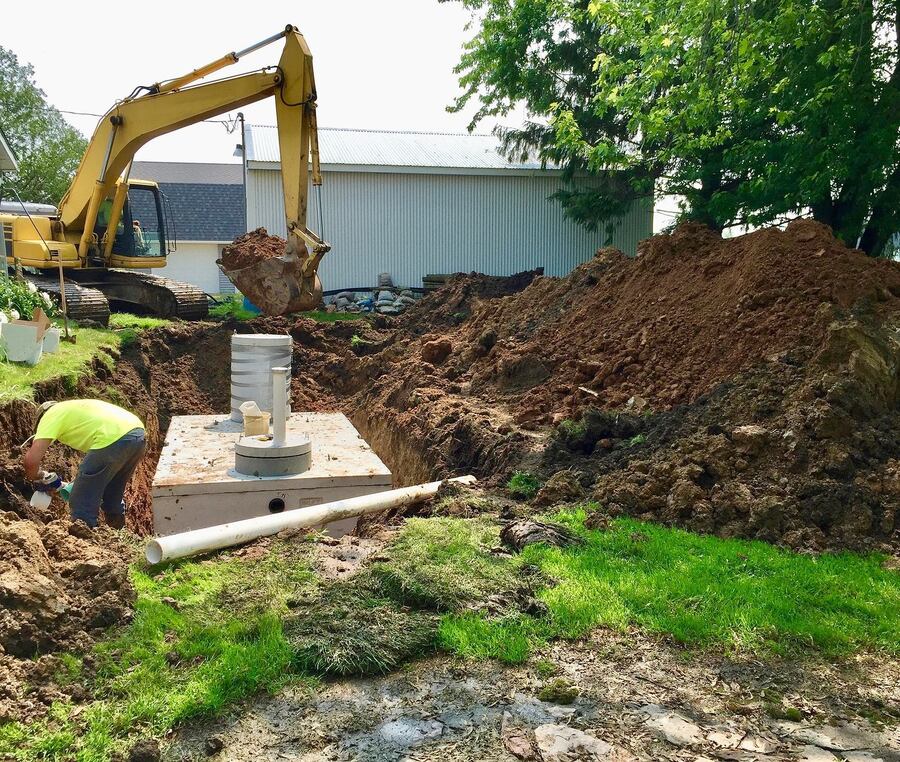
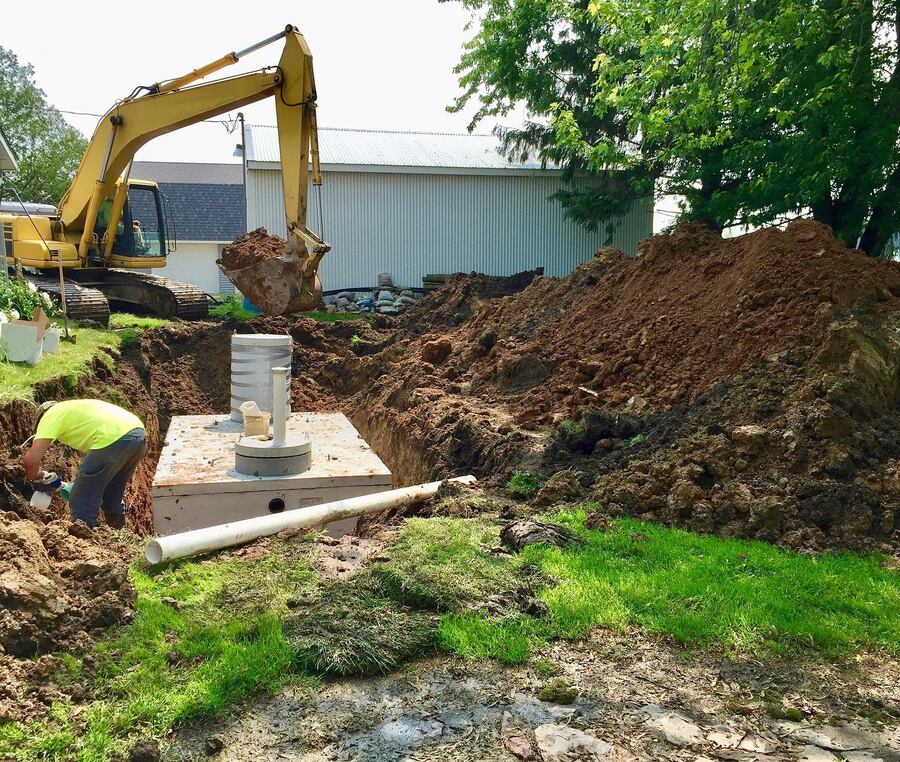
The difference between a repair and a replacement comes down to structural integrity and cost effectiveness. A cracked baffle or damaged inlet pipe can be fixed without touching the tank itself. Collapsed walls, severe corrosion, or a tank that has shifted out of position usually mean the whole unit needs to come out. We look at the age of the system first. Concrete tanks installed before the 1980s have likely reached the end of their useful life, and patching them just delays an inevitable replacement. Steel tanks from the same era almost always show rust damage that compromises the entire structure. When we arrive for an evaluation, we check the tank walls, measure sludge and scum layers, and inspect all the connections to the drainfield. If we find that repairs would cost more than half of what you'd pay for a new septic tank installation in Whitsett, then we'll probably recommend starting fresh. It just doesn't make financial sense to pour money into a failing system. A qualified septic tank installer in Whitsett can walk you through whether your system falls into the fixable category or if you're better served by a new unit. We really can't give you a definitive answer until we open the lid and get eyes on the condition below ground.

Our Septic Services

We offer professional septic tank pumping, inspections, repairs, and new system installations.Our licensed technicians ensure clean, safe, and code-compliant solutions. Serving Greensboro and surrounding areas with 24/7 emergency response.

Septic Inspection

Most homeowners don’t think too much about what’s underground until there’s a problem, but when you’re dealing with a septic system,…

Readmore

Septic Tank Repair

Do you smell sewage, hear gurgling drains, or see soggy spots in your yard? A malfunctioning septic system can stop daily…

Readmore

Septic Tank Installation

If you’re building a new home or replacing a failed septic system, the decisions you make during the installation process can…

Readmore

Septic Pumping & Cleaning

If your drains have started to slow or your yard smells like sewage, your septic tank needs attention. What surprises many…

Readmore
Septic Tank Repair in Whitsett, NC

Common Causes of Septic Failure in Whitsett Properties

Whitsett sits on clay-heavy soil. Unlike sandy loam, it doesn't absorb water very well, so drainfields here work harder to disperse effluent. During wet seasons, the ground gets saturated, and that can push systems past their limits pretty quickly. We see backups spike after heavy rains around here because once the soil is full, it just can't accept more liquid. Tree roots are a common problem, too. Willows, maples, and other water-seeking species send roots into tank seams and distribution lines. Once inside, they block the flow and crack pipes. Flushing the wrong materials accelerates failure as well. Wipes labeled flushable don't break down like toilet paper. Grease coats the inside of pipes and reduces the space available for wastewater to move. Households that skip routine pumping allow solids to build up until they spill into the drainfield and clog the absorption trenches. A septic company that's familiar with local conditions can find out which of these factors contributed to your specific problem. Knowing the cause helps us target the right fix and prevent the same issue from returning six months later.

What Happens During a Professional Inspection

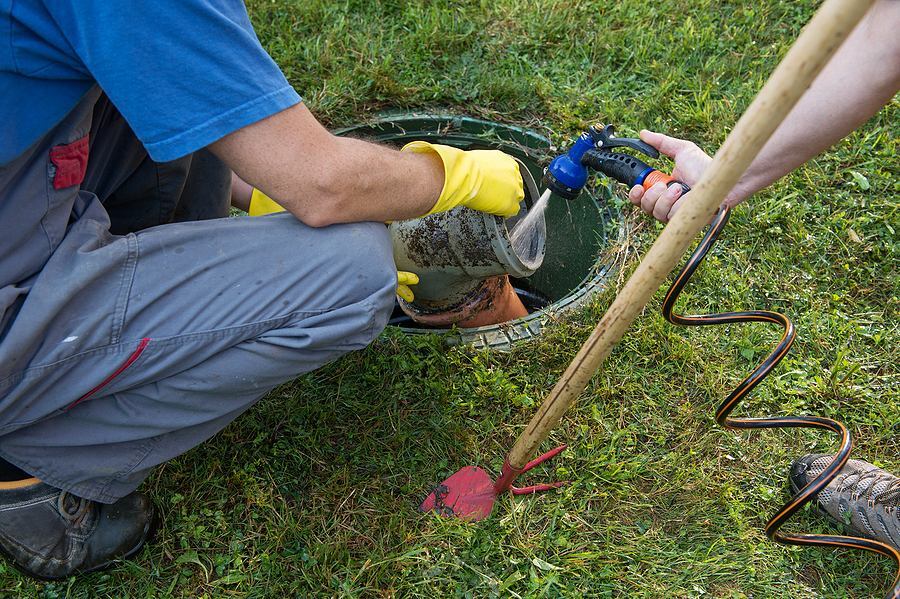
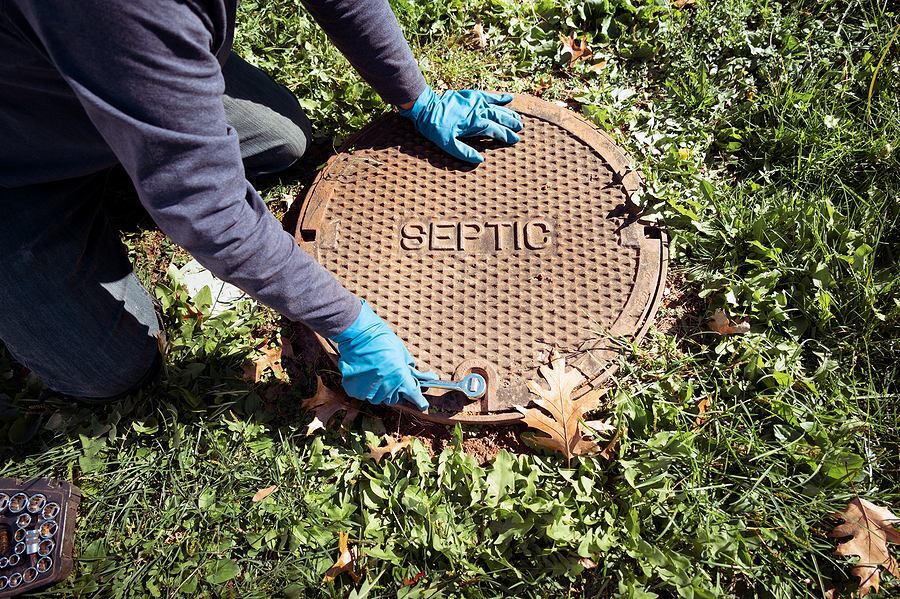
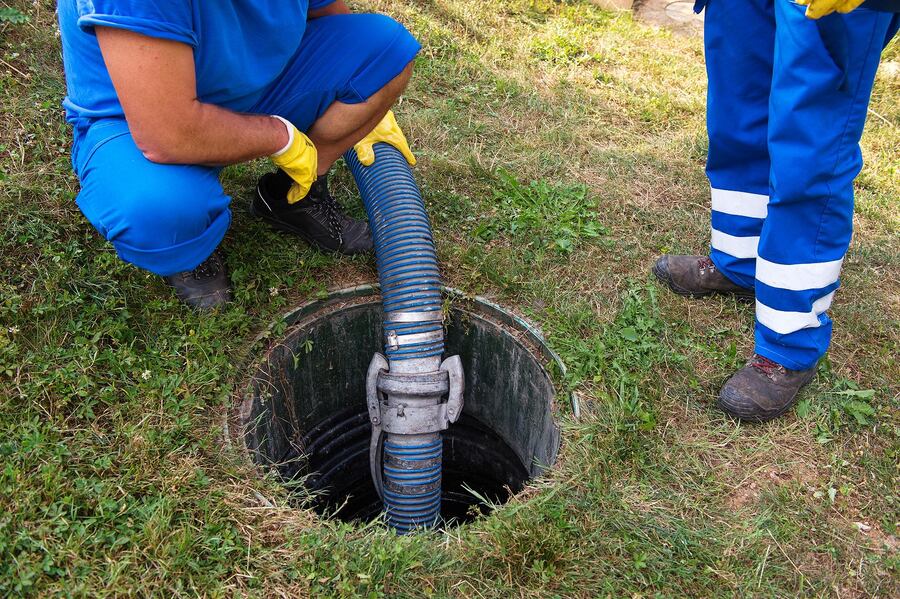
If records aren't available, we start by locating the tank. A lot of older properties don't have accurate site maps, so we use a probe rod or electronic locator to find the lid. Once we expose the access port, we pump the tank. That lets us see the walls and floor clearly. Cracks, root intrusion, and baffle damage all become visible once the liquid level drops. Then we run water from the house to confirm flow through the inlet pipe and watch how quickly the tank refills. We can also do a camera inspection of the outlet line to see if solids have migrated toward the drainfield. After that, we walk the drainfield area and check for ponding, odors, or unusually green grass. Any of those things can signal a leak below. The full inspection takes about two hours for a standard residential system. When we're done, you'll receive a written report that details what we found along with our recommended solutions.

Getting Your System Back on a Healthy Maintenance Schedule

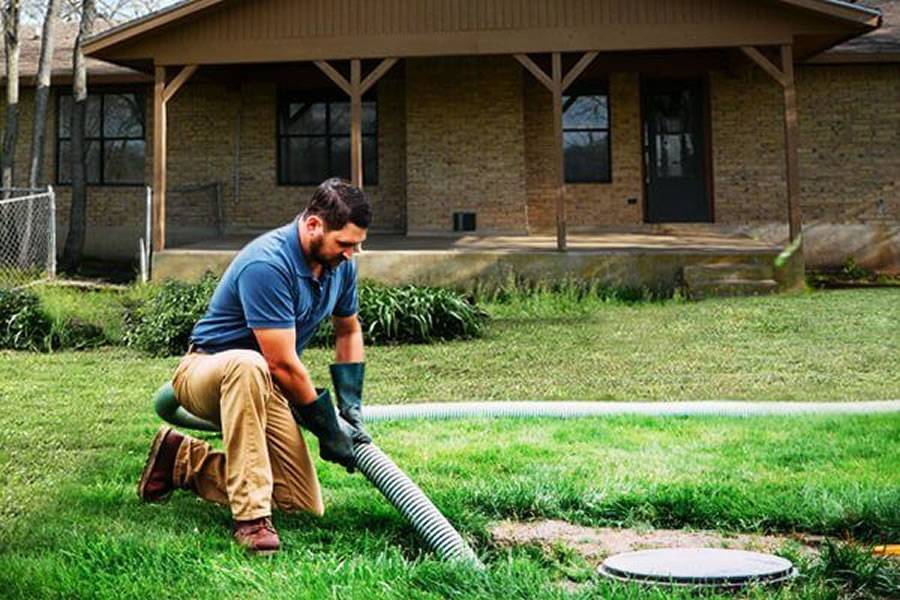
Once repairs wrap up, the goal is to avoid another emergency call. Pumping frequency depends on household size and tank capacity. A family of four with a 1000-gallon tank should pump every three to four years. Smaller households can stretch the interval to five years. We recommend annual inspections for systems older than 15 years or any property with a history of problems. Between service visits, you need to watch water usage. Spreading laundry loads across the week instead of running five in one day gives the drainfield time to recover. Avoid chemical drain cleaners that kill the bacteria responsible for breaking down waste inside the tank. Divert roof gutters and sump pumps away from the drainfield so extra water doesn't flood the absorption area. A septic maintenance plan through a local septic company keeps your system on a predictable schedule and catches small issues before they turn into expensive failures. We track service dates and send reminders so you don't have to remember when the last pump out occurred.

Do You Need a Septic Repair in Whitsett, NC?

Septic problems don't fix themselves, and waiting adds cost. A small crack becomes a collapsed wall, and a slow drain becomes a backed-up bathroom. If you need a septic tank repair or a full septic tank installation in Whitsett, Greensboro Septic Pros can handle the job from inspection through final backfill. We also provide ongoing septic maintenance to protect your investment for the long term. Our crews live and work in this region, and we understand the specific challenges Whitsett soil and weather create for underground systems. When you need a septic tank installer in Whitsett or septic repair in Whitsett, give us a call, and we can schedule an inspection or service appointment.

Blog Posts & Updates

SStay up to date with expert advice, maintenance tips, and the latest news in septic system care. Discover how to protect your system and prevent expensive repairs all year long.

If My Septic Tank Isn’t Backed Up, Do I Still Need Pumping?
Jan112026

If My Septic Tank Isn’t Backed Up, Do I Still Need Pumping?

Your drains are flowing, toilets are flushing, and there's no sewage smell anywhere near your yard. Everything seems to be working…

Factors That Affect the Cost of Septic Services
Jan052026

Factors That Affect the Cost of Septic Services

Septic work costs a lot, and budgeting for it just isn't easy when you don't understand what affects the price. Your…

Why Guests and Holidays Can Overload Septic Systems
Dec282025

Why Guests and Holidays Can Overload Septic Systems

Greensboro Septic Pros field more emergency calls during the holidays than at any other time of year, and that's not a…

What Kids Should Know About Septic Systems (So They Don’t Break Them!)
Dec202025

What Kids Should Know About Septic Systems (So They Don’t Break Them!)

Most adults don't fully understand how their septic system works, so it's no surprise that kids have no idea what happens…