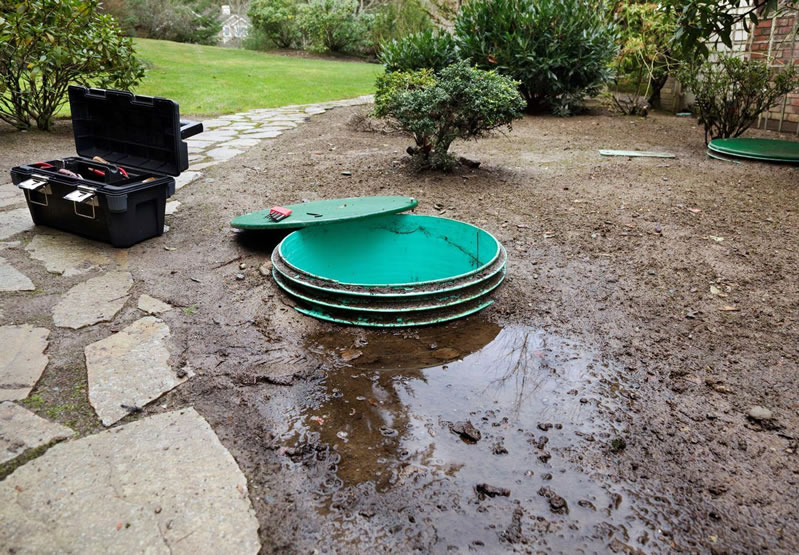
Puddles forming over your drain field after a dry stretch of weather are worth taking seriously. Greensboro Septic Pros can help. We get called out for drain field problems that started with standing water, the homeowner assumed would go away on its own, and it rarely does. Your drain field is doing a critical job, and when water starts pooling on the surface, the system is telling you something has gone wrong. Here's what standing water over your drain field means and what needs to happen next.
How a Drain Field Works and What It Is Designed to Handle
Your septic system includes the tank and the drain field. The tank holds incoming wastewater long enough for solids to settle out and for anaerobic bacteria to break down organic matter. What remains after that process is liquid effluent, and the drain field receives it. A network of perforated pipes distributes the effluent across a bed of gravel and soil, where it filters down through the ground and eventually re-enters the water table.
Healthy drain field soil absorbs and filters effluent at a predictable rate that depends on soil type, drain field size, and how much wastewater your household generates daily. A properly designed system accounts for your home's water use and carries enough capacity to handle normal fluctuations without saturating your soil. Single-family homes in North Carolina typically have fields sized for 150 to 200 gallons of effluent per bedroom per day.
What the system cannot handle indefinitely is sustained abuse. Too much water entering at once, solids escaping the tank into the pipes, or compacted soil above the field all degrade its ability to absorb liquid. When absorption slows below the rate at which effluent enters, water rises and eventually breaks the surface. That is the puddle you're looking at.
What Causes a Drain Field to Become Saturated and Stop Draining
Soil saturation happens when the biomat layer inside the drain field builds up too much. The biomat is a naturally occurring layer of organic material that forms at the interface between the gravel bed and the native soil. A thin, stable biomat actually helps filter effluent, while a thick one blocks it. When effluent can no longer percolate through, it backs up into the pipes and pushes up toward the surface. Several conditions accelerate saturation:
- Excessive water use is flooding the system faster than the soil can absorb it
- Laundry detergents and household chemicals are killing the beneficial bacteria that keep the biomat controlled
- Root intrusion from trees or shrubs planted too close to the field
- Aging pipes that have shifted, collapsed, or been packed with mineral deposits
- Garbage disposals are sending fine organic solids into the tank at higher volumes than the system was designed to process
Wet weather alone doesn't usually saturate a properly functioning drain field. Standing water during or immediately after heavy rain can point to surface drainage issues or a high water table rather than system failure. Standing water during dry conditions is a more urgent signal. Effluent is actively reaching the surface, creating a direct health hazard and confirming the field is no longer treating waste the way it should. Raw sewage contains pathogens, including E. coli, fecal coliform, and various viruses. Children and pets are at risk when that water reaches the surface.
How Solid Waste Buildup in the Tank Contributes to Drain Field Failure
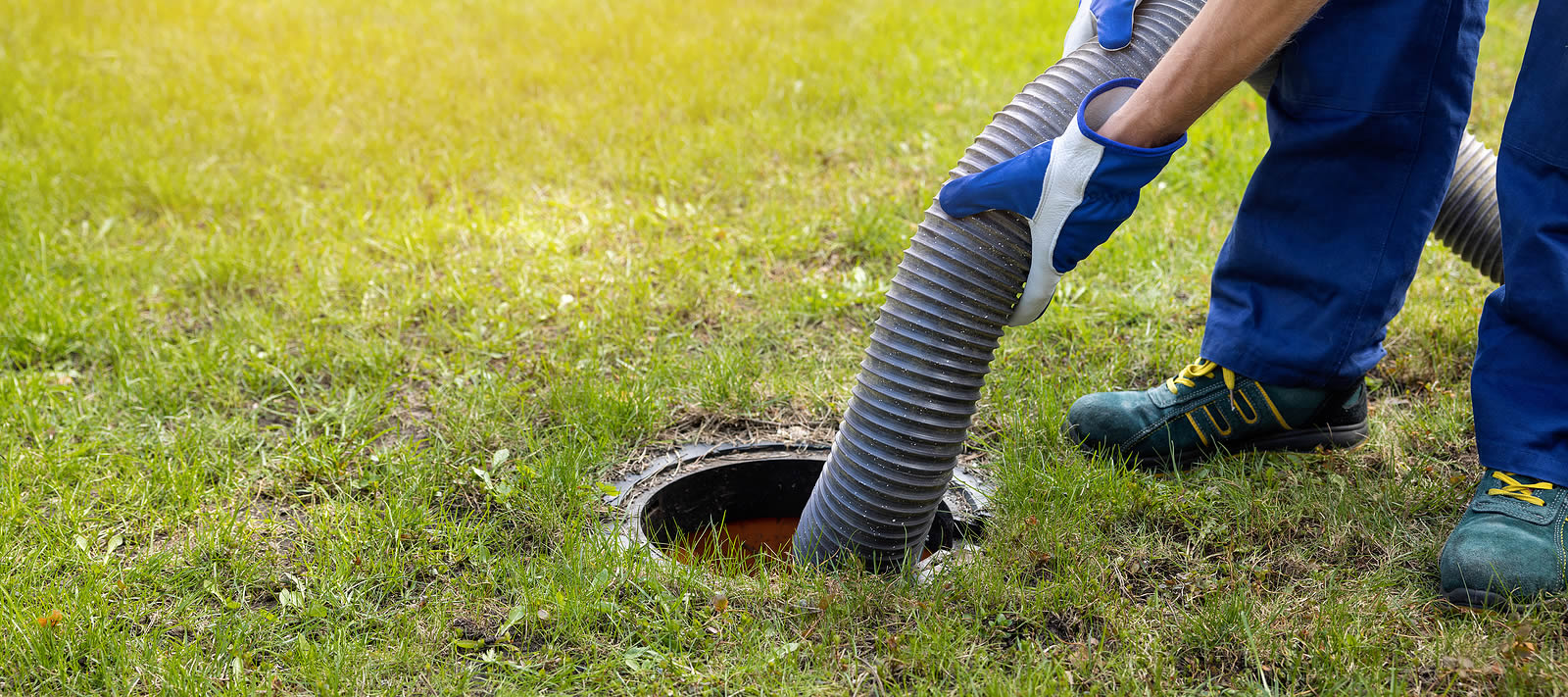
The septic tank protects the drain field by keeping solids contained. Wastewater enters the tank and separates into three layers. There's a floating scum layer on top, a liquid effluent layer in the middle, and a settled sludge layer at the bottom. Only the middle layer is supposed to exit through the outlet baffle toward the drain field. When the tank goes too long without septic tank pumping, the sludge and scum layers grow thick enough to push solid material out with the effluent.
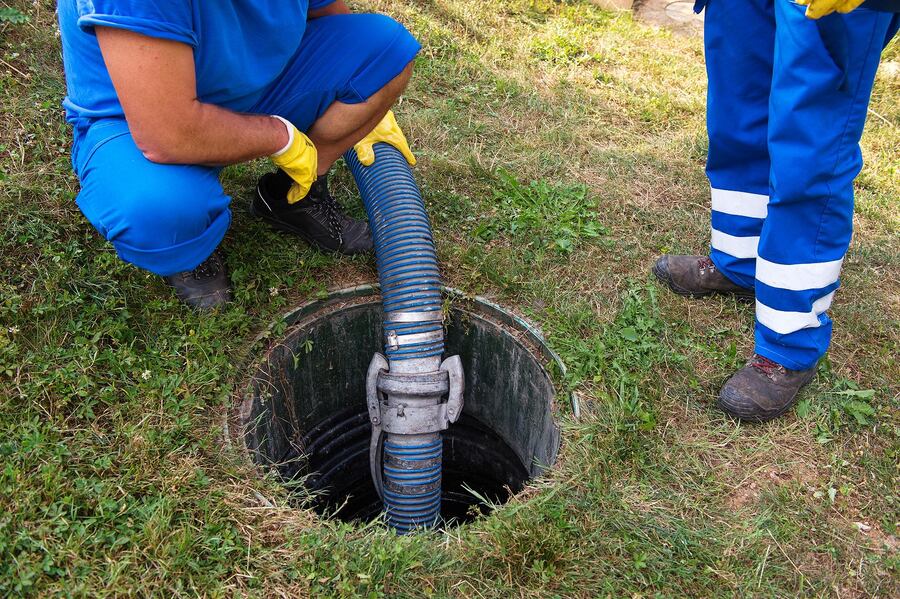
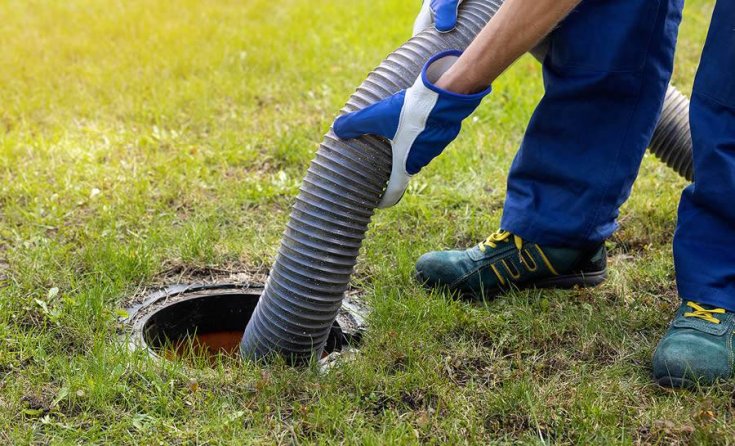
Those solids carry directly into the distribution pipes and pack into the gravel bed, which clogs the spaces that the effluent needs to pass through. Once solids reach the drain field, they don't flush out on their own. No amount of additives, enzyme treatments, or water restriction will remove packed solids from gravel. Septic cleaning removes accumulated waste from the tank before it reaches that stage, which is why routine pumping is the single most important maintenance task for any septic system. Most households need pumping every three to five years, though tank size and household size both affect the interval.
A septic service call that includes a full inspection tells you how full the tank currently is, whether the baffles are intact, and if solids have begun moving toward the outlet. Catching the problem while it's still confined to the tank costs a fraction of what drain field remediation costs. Skipping pumping to save money in the short term is one of the most reliable ways to turn a $400 maintenance call into a $10,000 repair.
What Happens to the Soil Structure When a Drain Field Is Overloaded
Soil inside a drain field isn't just a passive filter. It contains a community of aerobic bacteria that actively break down pathogens and organic compounds in the effluent before it reaches the groundwater. Those bacteria need oxygen to survive. When a drain field becomes chronically saturated, the oxygen supply cuts off, and the aerobic bacterial population collapses.
Saturated soil compacts and loses its pore structure. The small gaps that allowed effluent to move through the soil gradually close. It's partly mechanical and partly biological. Clay soils are vulnerable because they swell when wet and seal around infiltration points. Once the pore structure is gone, the soil will not recover on its own, even if the source of saturation is removed.
This is what makes chronic standing water so damaging compared to a single overflow. One episode of temporary saturation may not cause permanent harm if the system dries out and recovers. Weeks or months of standing water over a drain field typically mean the soil beneath it has been structurally compromised. At that point, restoration treatments may slow the decline, but replacement becomes the more realistic long-term solution.
What Your Options Are When a Drain Field Has Started to Fail
A failing drain field does not automatically mean full replacement. The right repair depends on how far the damage has progressed and what caused it. If the problem is a single broken or clogged distribution pipe, targeted excavation and pipe replacement may resolve it. If the biomat has thickened across a larger portion of the field, aeration treatments can sometimes restore absorption capacity by reintroducing oxygen and reactivating bacterial activity in the surrounding soil.
Resting the drain field is another intervention that works in early-stage cases. Diverting household water use to an alternative area or cutting consumption for 60 to 90 days can allow a slightly saturated field to dry out and partially recover. This works best when combined with septic tank pumping to remove the backlog of waste, putting pressure on the field. A septic company can determine whether the field has enough remaining capacity to justify a rest period or if the damage is already too extensive.
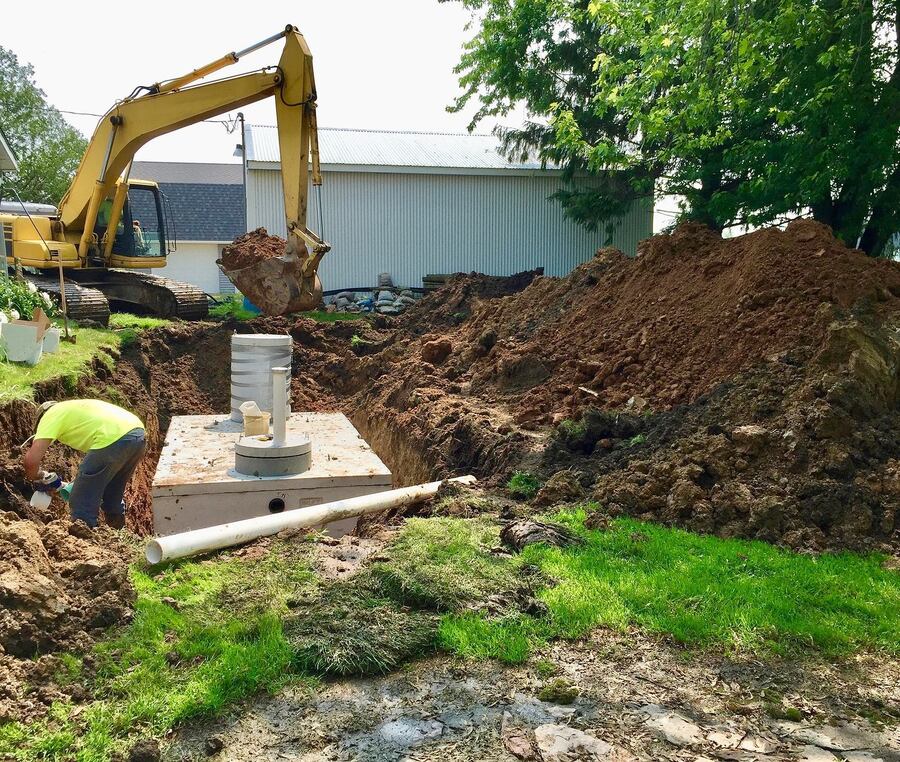
Full replacement becomes necessary when the native soil has permanently lost its ability to absorb and filter effluent. That means excavating the old field, installing new distribution pipes and gravel, and sometimes importing clean fill soil to establish a suitable absorption area. It is a major project, and the cost reflects that. A septic company taking care of a partially saturated field has far more options than one arriving after months of surface pooling.
Do You Need a Professional Septic Service?
If you have standing water over your drain field, don't wait to see if it clears up. Schedule an inspection now. Greensboro Septic Pros provides septic tank pumping, septic cleaning, and full system diagnostics for homeowners across the Greensboro area. When you need a reliable service from a septic company that shows up and gets it right, give us a call.