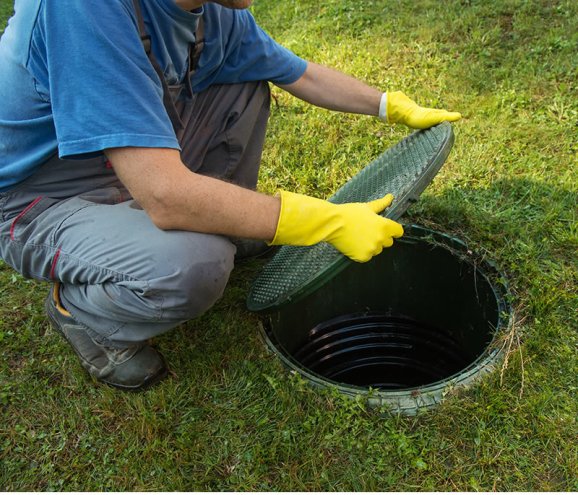
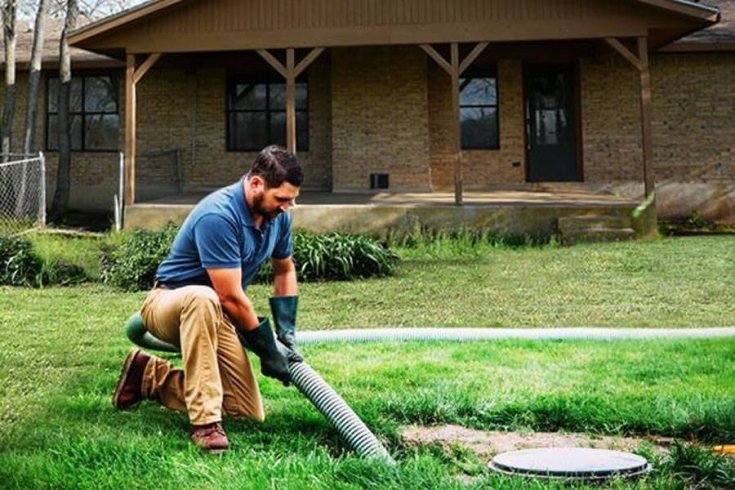
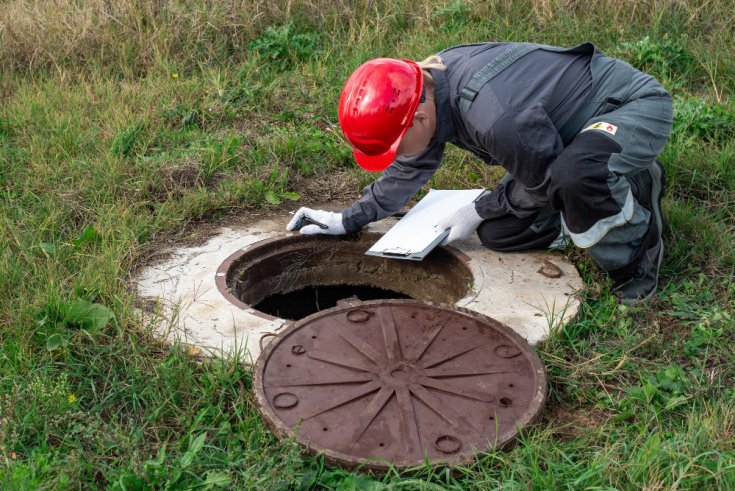
A failing or neglected septic system doesn't just create problems for the homeowner. It also poses risks to the surrounding environment, local water supply, and neighbors who share the same ecosystem. Septic tank pumping and routine maintenance are part of being a responsible steward of the land and water around you. At Greensboro Septic Pros, we take the environmental side of septic care seriously, and we think every homeowner should understand the connection. Keep reading to find out how proper septic maintenance protects far more than just your yard.
How a Neglected Septic System Becomes an Environmental Hazard
A septic system that goes without maintenance accumulates solid waste, develops blockages, and eventually pushes untreated sewage back through the system or out into the yard. What leaves your tank at that point contains bacteria, viruses, nitrogen, phosphorus, and other pathogens that move through soil, runoff, and groundwater with no barrier stopping them.
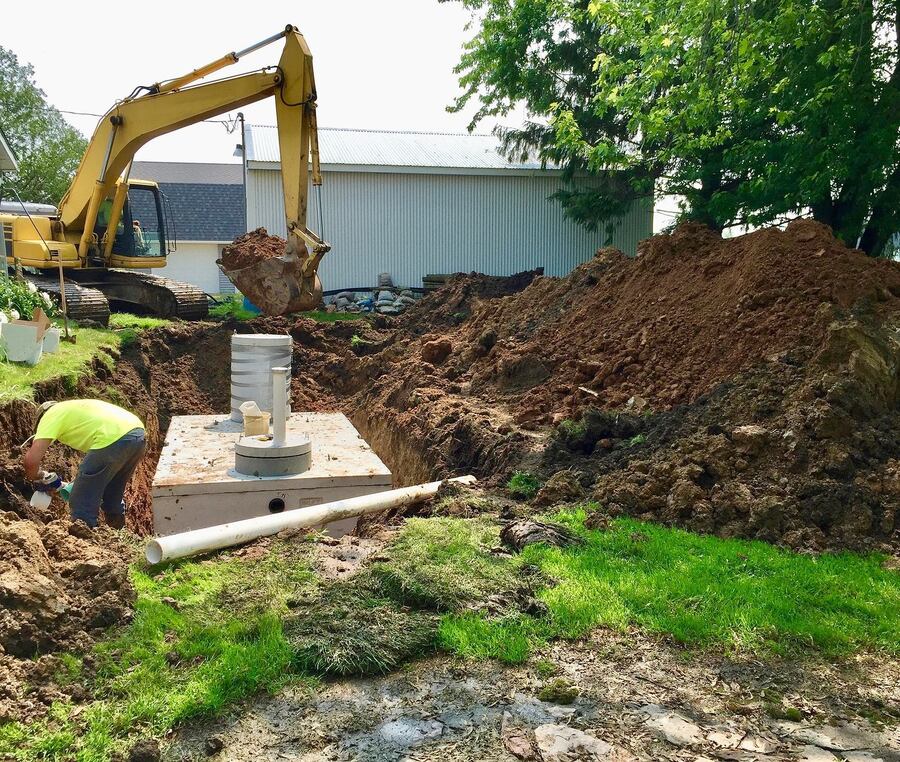
A tank that has not been pumped in years builds up a sludge layer that overwhelms the system's capacity to separate waste. When that layer reaches the outlet, solids travel into the drain field and clog the soil around the pipes. Once the drain field fails, the system cannot process effluent at all. Repairs at that stage are a lot more expensive than a routine septic service visit.
What makes this an environmental issue rather than just a property issue is the reach of the contamination. Pathogens from a failed system can travel hundreds of feet through soil before someone detects a problem. By the time a homeowner notices wet spots or odors in the yard, the contamination has already happened. Prevention through regular maintenance is the only reliable way to stop it before it starts.
The Impact Septic Failures Have on Local Groundwater and Drinking Water
Groundwater in North Carolina supplies drinking water to a large portion of rural and suburban households. Many of those homes sit on the same aquifers that their septic systems sit above. When a septic system leaks or overflows, nitrates and fecal coliform bacteria enter the soil and migrate downward. They can reach a private well in a matter of days, depending on soil type, depth, and proximity.
Nitrate contamination in drinking water is a documented health risk, particularly for infants and pregnant women. The EPA sets a maximum contaminant level of 10 mg/L for nitrates in drinking water, and septic failures are one of the leading contributors to elevated nitrate levels in private wells. Homeowners with wells within 100 feet of their septic system face risk when that system isn't functioning correctly.
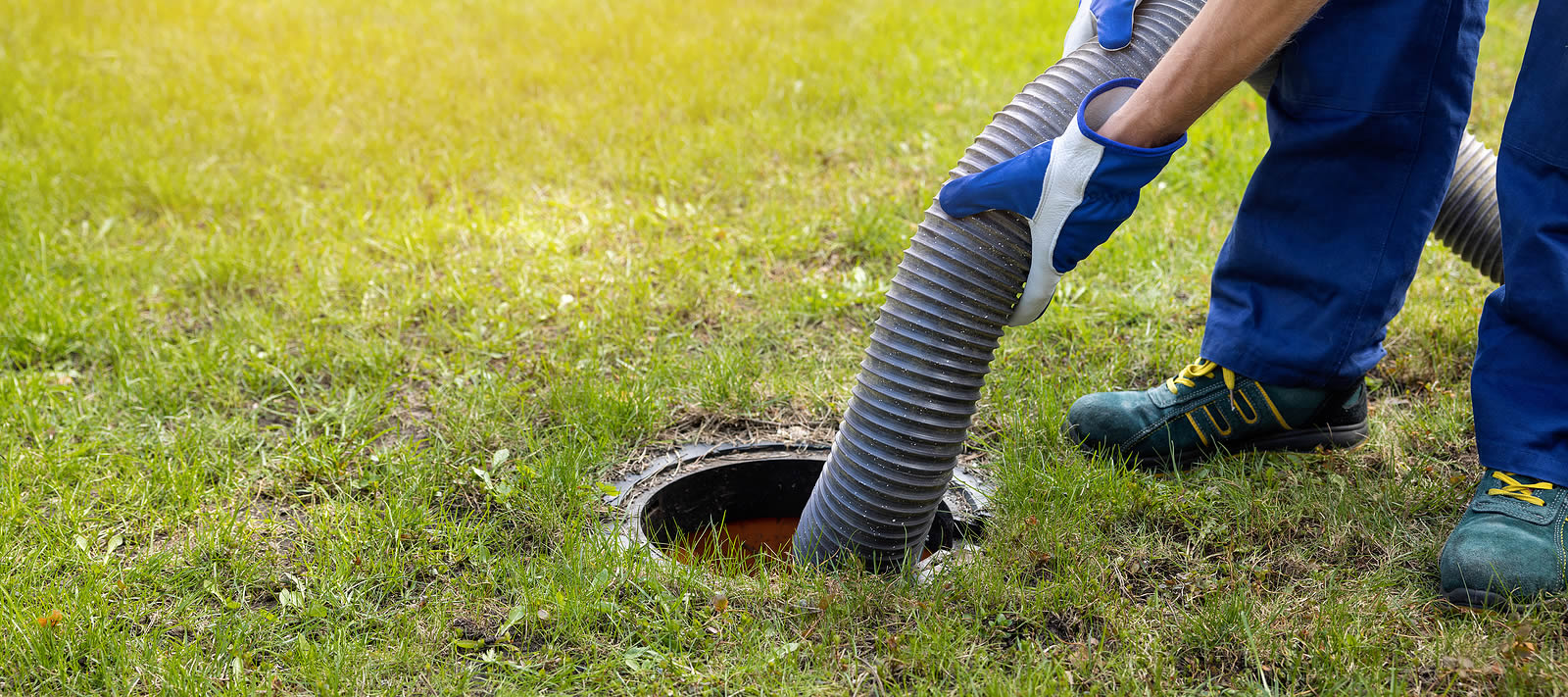
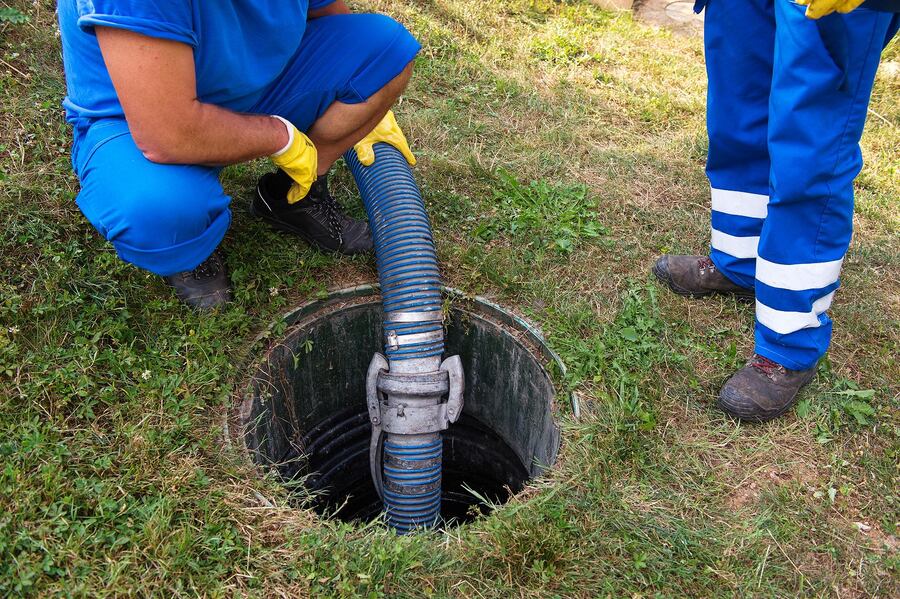
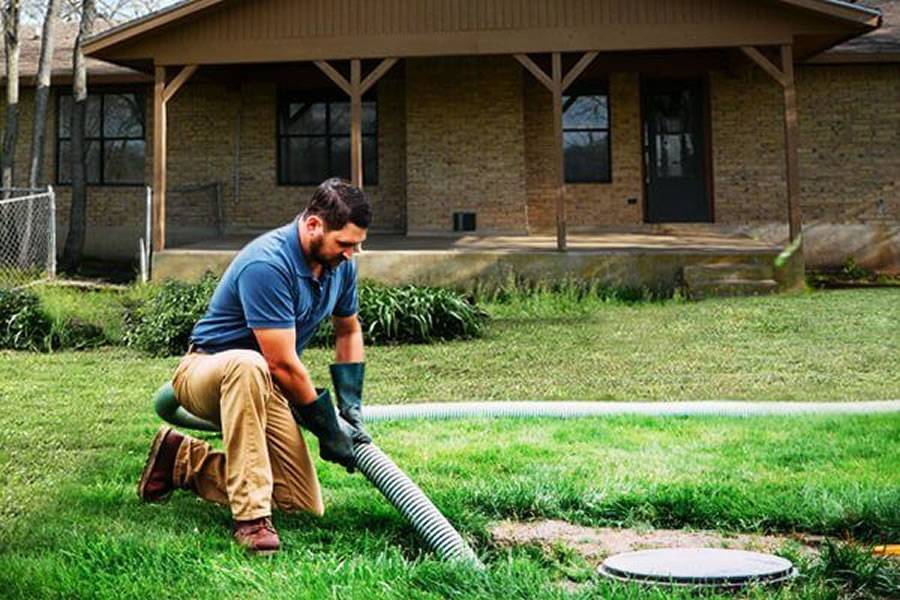
Routine septic tank pumping in Thomasville removes the accumulated solids before they can overwhelm the system and breach the surrounding soil. A properly maintained tank processes waste correctly, which reduces the volume of pathogens and nutrients that exit into the drain field.
How Untreated Effluent Affects Nearby Streams, Ponds, and Soil
Surface water contamination from septic failures is a problem in areas with high lot density or aging systems. When effluent escapes through a saturated drain field or a cracked tank, it travels with stormwater runoff into nearby streams, drainage ditches, and ponds. The nitrogen and phosphorus it carries act as fertilizers in those water bodies, triggering algae blooms that deplete oxygen and kill aquatic life.
Soil health takes a direct hit as well. Saturated effluent changes the microbial balance in the surrounding ground, disrupts plant root systems, and leaves residual contamination that persists after the visible pooling dries up. In areas where properties back up to creeks or retention ponds, a single failing system can affect water quality across a wide stretch of shoreline.
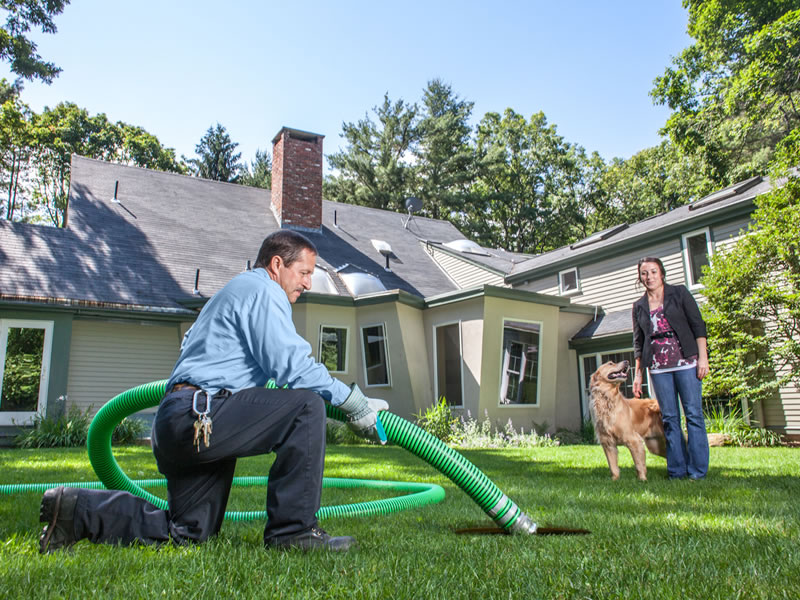
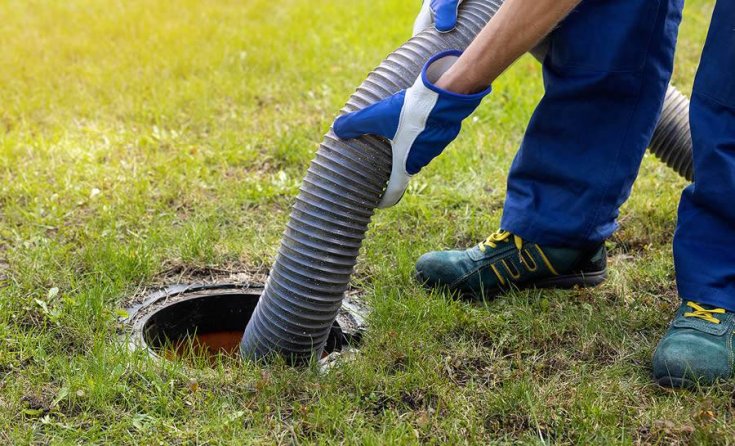
Scheduling septic cleaning on a regular cycle prevents the overflow scenarios that lead to surface water contamination. A properly cleaned tank maintains the buffer capacity it needs to hold and process waste without releasing it into the surrounding environment. The soil around a functional drain field filters effluent through natural biological processes. The process only works when the system isn't overloaded.
How Responsible Septic Care Benefits Your Community as a Whole
Your septic system doesn't operate in isolation from your neighbors or watershed. In areas where properties share the same groundwater table or drain toward the same surface water, one failing system creates risk for everyone nearby. This is why responsible maintenance is a community issue.
The cumulative effect of well-maintained systems across a neighborhood is measurable. Studies from the EPA and state environmental agencies have shown that areas with higher rates of routine septic maintenance report lower levels of nitrate contamination in groundwater and fewer instances of water quality violations. When homeowners treat septic service as optional, the effects show up in shared water resources.
Working with a qualified septic company also keeps your system in compliance with local and state regulations. North Carolina's rules around setback distances, inspection requirements, and maintenance schedules were written based on data about how failing systems affect watersheds. Staying current with those requirements protects your neighbors, the local water supply, and the property values of everyone in the area.
Are You Looking for a Local Septic Company?
Your septic system is a direct link between your household waste and the environment around your home. Keeping it maintained through regular septic tank pumping, inspections, and drain field care is one of the most concrete ways you can protect local water quality and reduce your environmental footprint. If you're overdue for septic cleaning or you've never had your system professionally inspected, now is the time to act. Waiting longer increases the risk of contamination, system failure, and repairs that could have been avoided. Contact Greensboro Septic Pros to schedule your service today.