Nobody gets excited about scheduling septic services, but routine maintenance saves you from spending a lot more down the road. At Greensboro Septic Pros, we've watched homeowners skip routine pumping to save a few hundred dollars, only to face five-figure replacement bills a few years later. Your septic system is part of your property's value, and treating it like one changes how you think about every service call. We're breaking down the real numbers so you can see maintenance as one of the smartest investments you'll make as a homeowner.
The True Cost of a Septic System Replacement
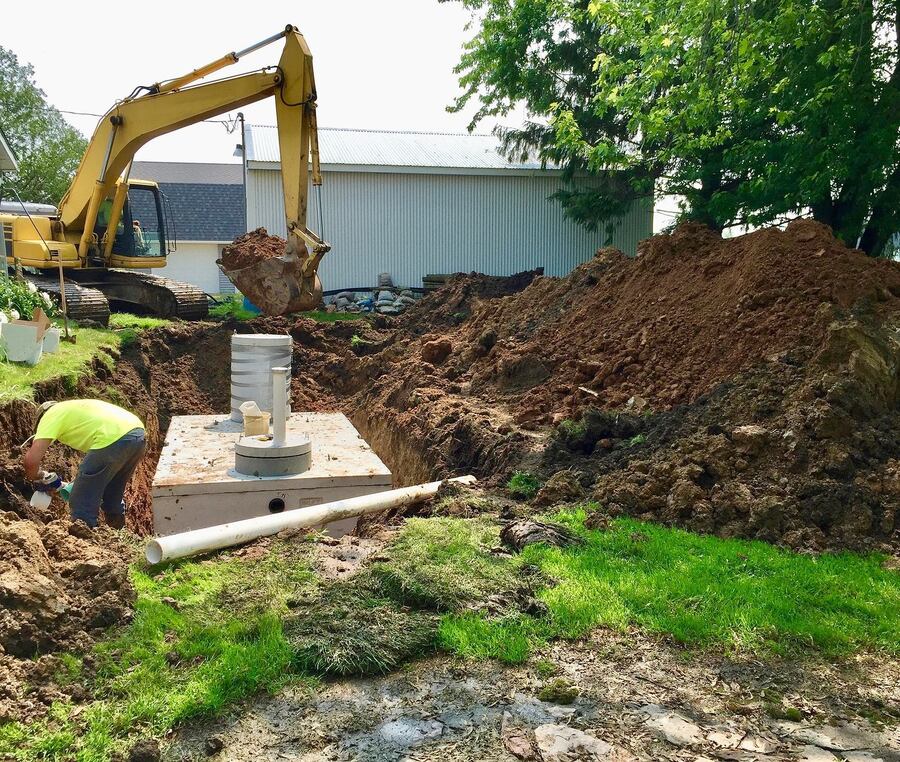
A full septic system replacement runs between $15,000 and $30,000 for most residential properties. That price tag includes excavation, tank removal, new tank installation, and drain field reconstruction. Permits add another few hundred dollars, and soil testing can push the total higher if your property requires an engineered system. Compare that to the $300 to $600 you'll spend on septic tank pumping every three to five years. A homeowner who pumps their tank eight times over 30 years spends roughly $4,000 total. That same homeowner who skips pumping might need a complete replacement within 15 years, which triples or quadruples their costs. Tank failures also create secondary expenses that don't show up on the initial estimate. You'll need temporary sanitation solutions while crews work, and landscaping restoration can run $2,000 or more, depending on how much of your yard the project disturbs. Some homeowners find out their replacement requires a different system type due to updated regulations, which adds engineering fees and specialized equipment costs. The replacement process can take two weeks or longer, and your household will need to adjust during that time.
How Routine Pumping Extends Your System's Lifespan
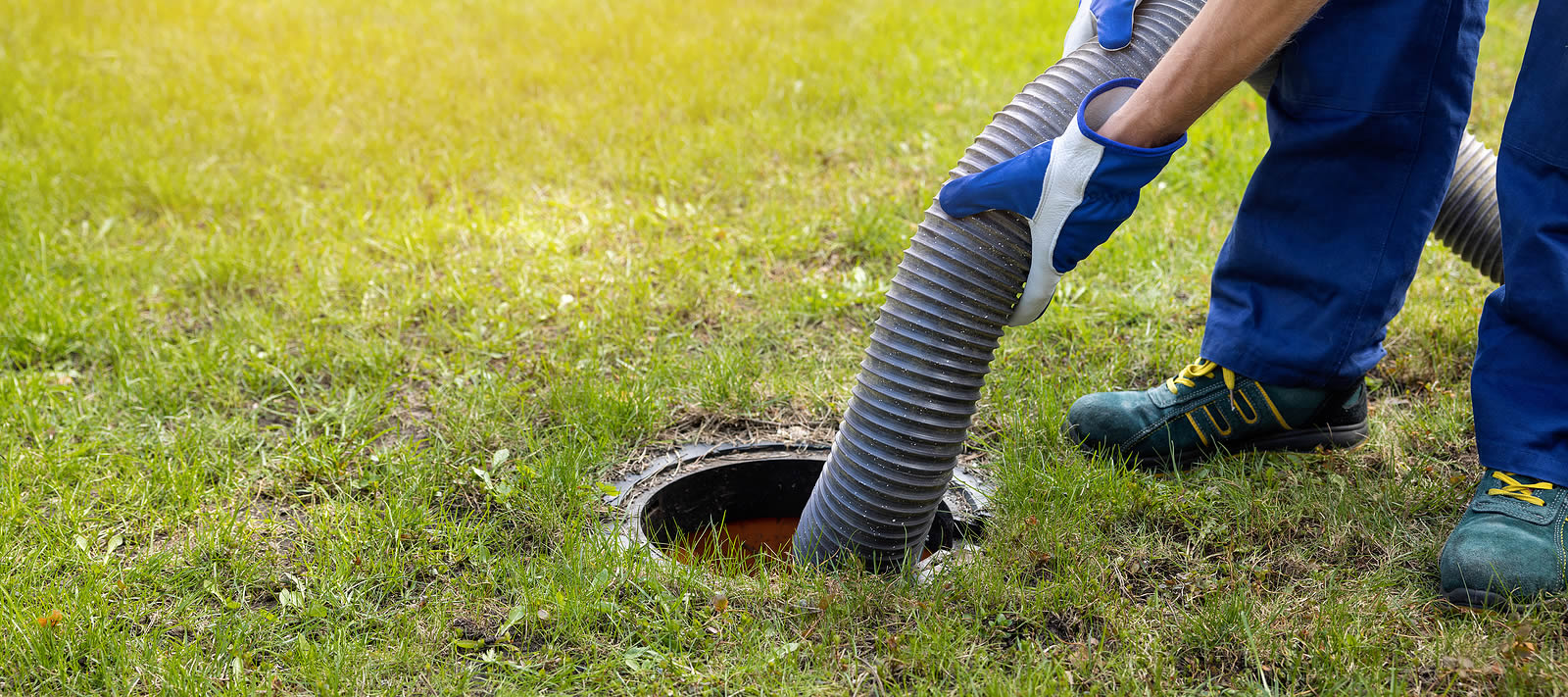
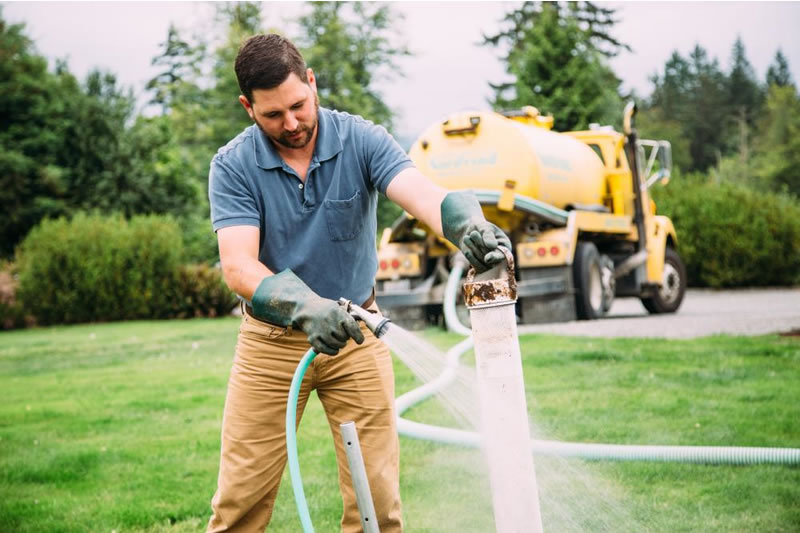
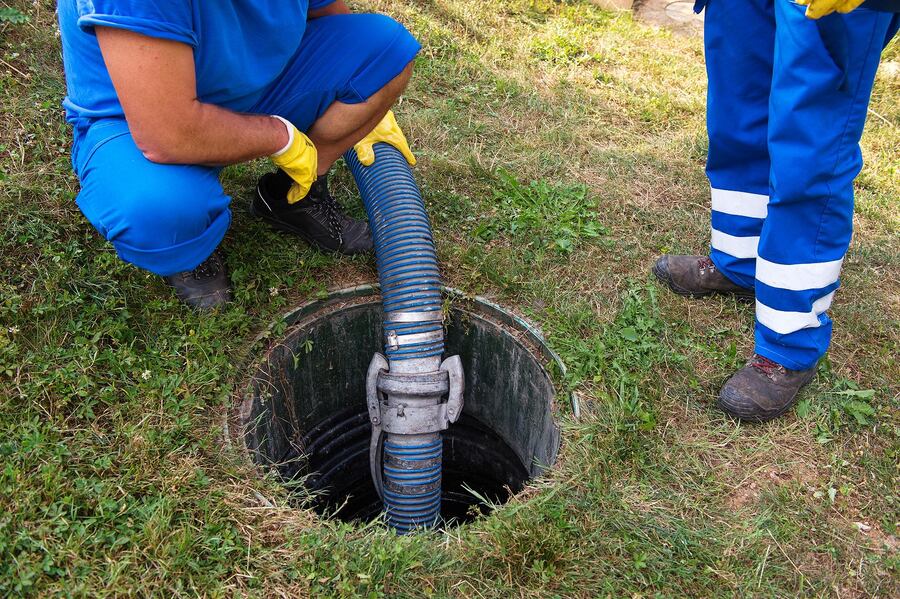
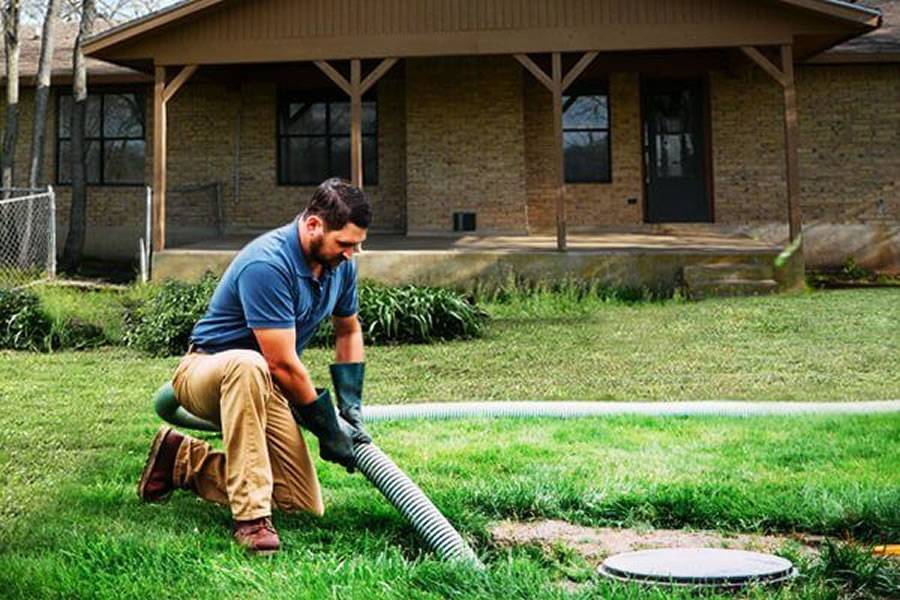
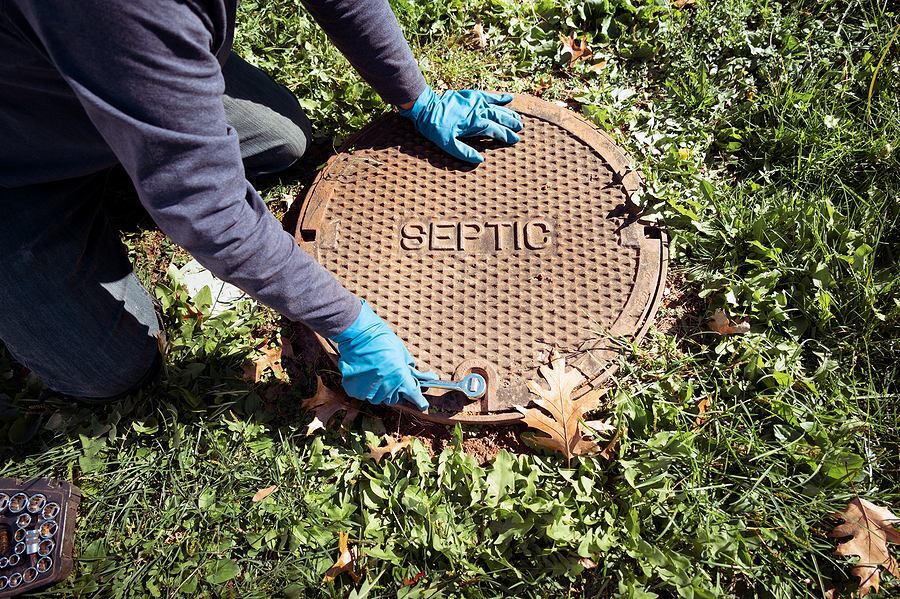
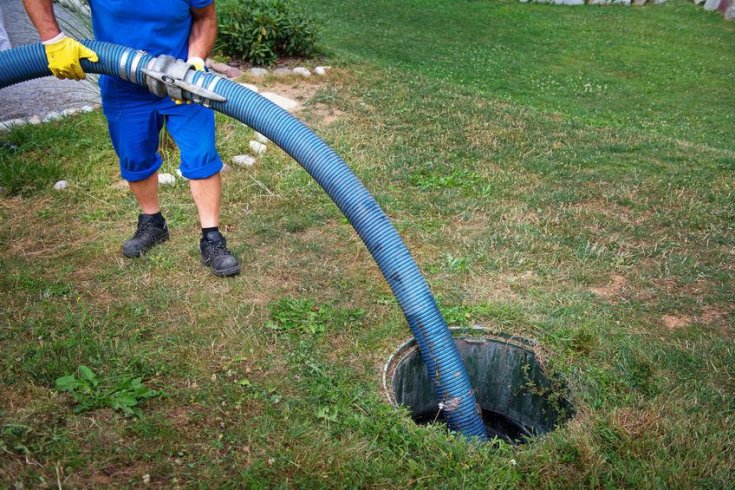
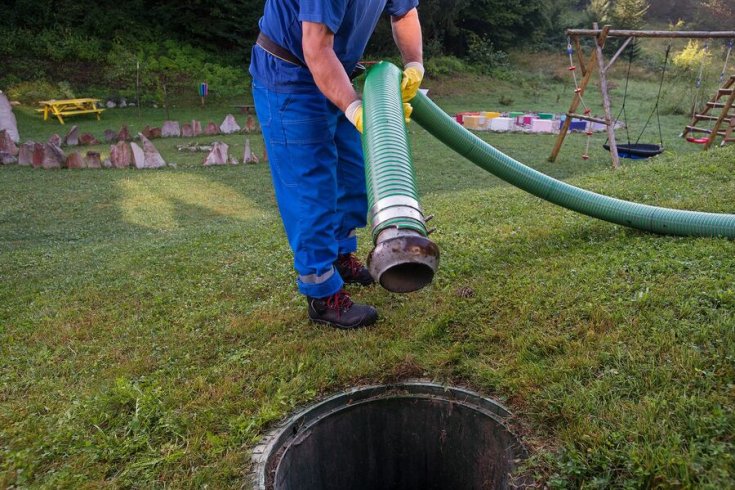
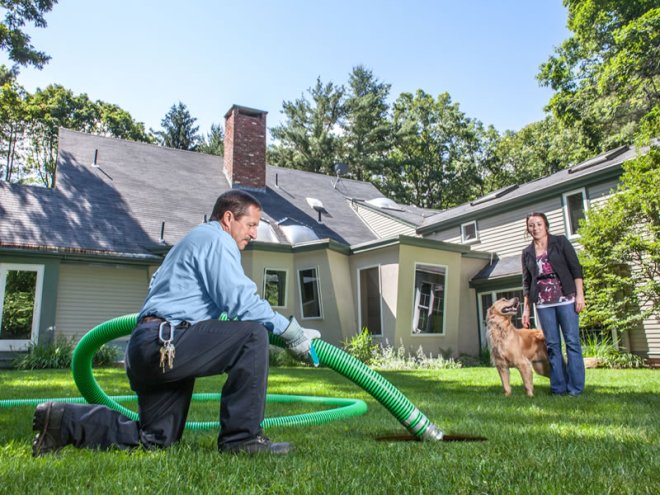
Septic tanks collect solid waste at the bottom and allow liquids to flow into the drain field. When solids accumulate past a certain level, they begin escaping into the outlet pipes and clogging the distribution lines. This process happens gradually, and most homeowners don't notice until their drains slow down or their yard develops wet spots. Regular septic tank pumping removes solids before they cause damage. A well-maintained tank can last 40 years or more. Concrete tanks typically outlast plastic or fiberglass options, but all types benefit from consistent care. The pumping process also gives technicians a chance to inspect baffles, check for cracks, and identify early warning signs. These inspections catch smaller problems before they become more expensive repairs. Septic cleaning removes the sludge layer that builds up and keeps your tank operating at full capacity. Most households should schedule pumping based on tank size and water usage. A family of four with a 1,000-gallon tank will usually need service every three years. Larger tanks or smaller households can wait longer between appointments. Your septic company can recommend a schedule based on your specific situation and usage patterns.
Drain Field Damage and Why Prevention Beats Repair
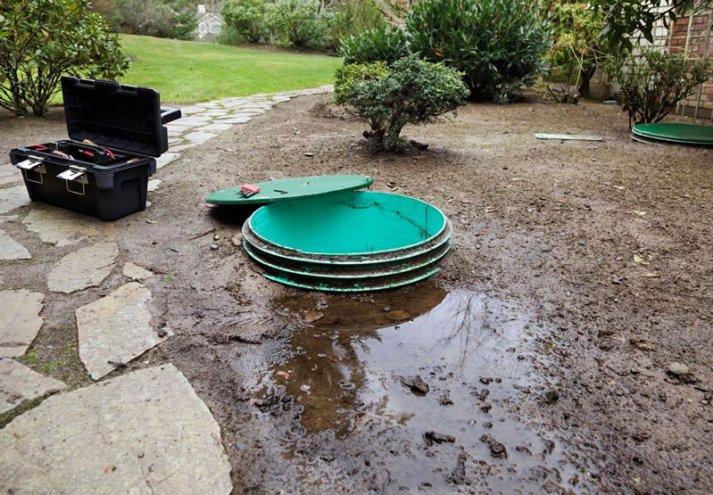
Drain field repairs rank among the most expensive septic problems homeowners face. Replacing a failed drain field costs $5,000 to $20,000, depending on size, soil conditions, and local labor rates. The drain field processes liquid waste by allowing it to filter through gravel and soil, where bacteria break down remaining contaminants. When solids escape an overfilled tank, they coat the drain field pipes and soil, which creates a biological mat that blocks absorption. This damage is permanent. You can't clean a failed drain field; you have to replace it. Prevention starts with regular pumping but extends to daily habits. Avoid flushing anything besides waste and toilet paper. Keep grease, coffee grounds, and food scraps out of your drains. Spread laundry loads throughout the week rather than running five loads on Saturday. These practices reduce the volume entering your tank and give bacteria time to break down waste. A septic service technician can also install effluent filters that catch solids before they reach your drain field. These filters cost around $100 and add extra protection.
What Neglect Does to Your Property Value
Home buyers have become increasingly cautious about septic systems. A failed inspection can delay or cancel a sale, and buyers will negotiate price reductions if they discover deferred maintenance. Properties with documented septic service histories sell faster and at higher prices than those with unknown system conditions. Appraisers now consider septic system age and condition when determining property values. A system approaching failure can reduce your home's appraised value by the estimated replacement cost or more. Lenders may even refuse financing on properties with failing septic systems, which eliminates a large portion of potential buyers from your market. Consistent septic cleaning and pumping create a paper trail that reassures buyers. Inspection reports showing regular maintenance demonstrate responsible ownership and reduce buyer anxiety. Septic maintenance also protects against environmental liability. A failing system can contaminate groundwater and neighboring properties, and create legal exposure. Some states hold property owners responsible for cleanup costs that exceed the original replacement price.
Do You Need Reliable Septic Services?
Your septic system works around the clock to process your household's waste. It asks for very little in return. A few hundred dollars every few years keeps the entire system working and protects you from emergency repairs that can exceed $20,000. Your septic company should help you protect your investment, not just respond to emergencies. Call Greensboro Septic Pros today to schedule your next pumping appointment or to set up a septic service plan that fits your household's needs.