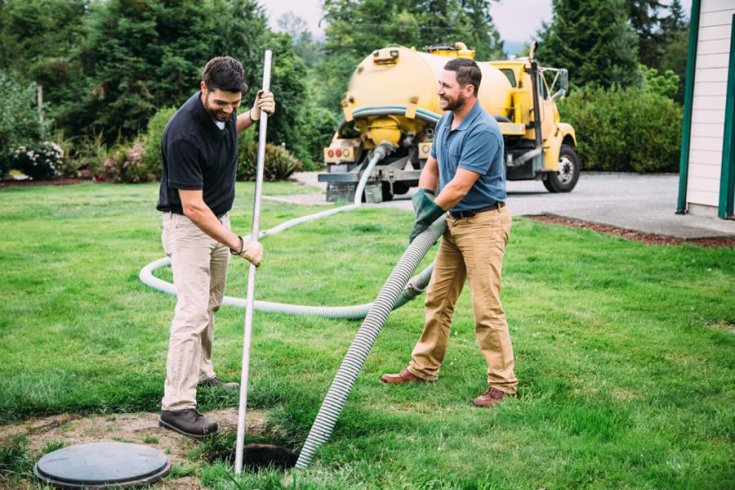
Homeowners dealing with septic odors sometimes look for a quick fix, and additives are usually the first thing that comes up. At Greensboro Septic Pros, we provide septic system services for properties throughout the area, and we answer a lot of questions about whether these products solve odor problems or just mask them. The truth depends on what is causing the smell in the first place. If you're considering septic additives and want to understand what they can and cannot do, keep reading.
What Septic Additives Are Designed to Do
Septic additives fall into three categories: biological, chemical, and enzymatic. Biological additives introduce bacteria or yeast cultures into the tank. Enzymatic products add specific enzymes to accelerate the breakdown of fats, proteins, and starches. Chemical additives use solvents or compounds to dissolve buildup and neutralize odor-causing gases at the source.
The core sales pitch is that these products restore or boost bacterial activity inside the tank. A working septic tank already contains billions of naturally occurring anaerobic bacteria that are processing waste continuously. Manufacturers position additives as a way to supplement the population, especially after exposure to antibacterial soaps or bleach-based cleaners that pass through the household's plumbing.
For odor control specifically, some biological additives can reduce hydrogen sulfide production. Hydrogen sulfide is the compound responsible for the rotten egg smell associated with septic systems. The reduction is possible in some cases, but it only applies when the bacterial imbalance inside the tank is actually the source of the odor. Many septic smells originate somewhere else, and no additive will take care of those.
When Odors Point to a Vent or Drain Issue Instead
Septic gases don't stay in the tank. They travel upward through the vent stack and exit above the roofline, away from living spaces. When that path is blocked by debris, a collapsed pipe section, or a bird nest at the cap, gas backs up and escapes through the path of least resistance, which is usually a floor drain, a toilet, or a sink with a dry P-trap.
A dry P-trap is one of the most common sources of indoor septic odors and one of the easiest to fix. The curved section of pipe beneath every drain holds a small amount of water that blocks gas from traveling up into the room. If a drain goes unused long enough, the water evaporates. Running water down the drain for thirty seconds refills the trap and eliminates the smell. There are no additives involved.
Odors concentrated near the drainfield or across the yard point to a different issue. Saturated soil, a cracked distribution box, or a drainfield at the end of its useful life can all produce surface odors. A qualified septic company needs to evaluate those conditions on-site. A product poured into the toilet won't reach the drainfield in any meaningful concentration, and it won't reverse soil saturation or structural damage.
How Overuse of Additives Can Disrupt the System
Chemical additives are the most problematic category. Solvents and caustic compounds can kill anaerobic bacteria that the tank depends on. If you destroy the bacterial colony and solids accumulate faster than normal, the tank fills ahead of the expected pump cycle. Effluent leaving the tank carries suspended solids into the drainfield.
The drainfield depends on a thin biological layer to filter effluent before it reaches groundwater. When the solids load increases, the biomat thickens and eventually clogs the soil. Restoring a clogged drainfield costs several thousand dollars at a minimum. Full replacement runs higher. Reaching that point through the misuse of chemical additives is an avoidable outcome, and consistent septic maintenance prevents it.
Biological additives carry less risk but still cause problems in excess. Flooding the tank with bacterial cultures doesn't proportionally accelerate waste processing. It can shift the microbial balance, increase gas production, and, in high concentrations, push partially broken-down material into the outlet baffle faster than it should move. In a properly working system, no additive is necessary. The naturally occurring bacteria handle the job without supplementation.
Why Pumping Is the Better Solution
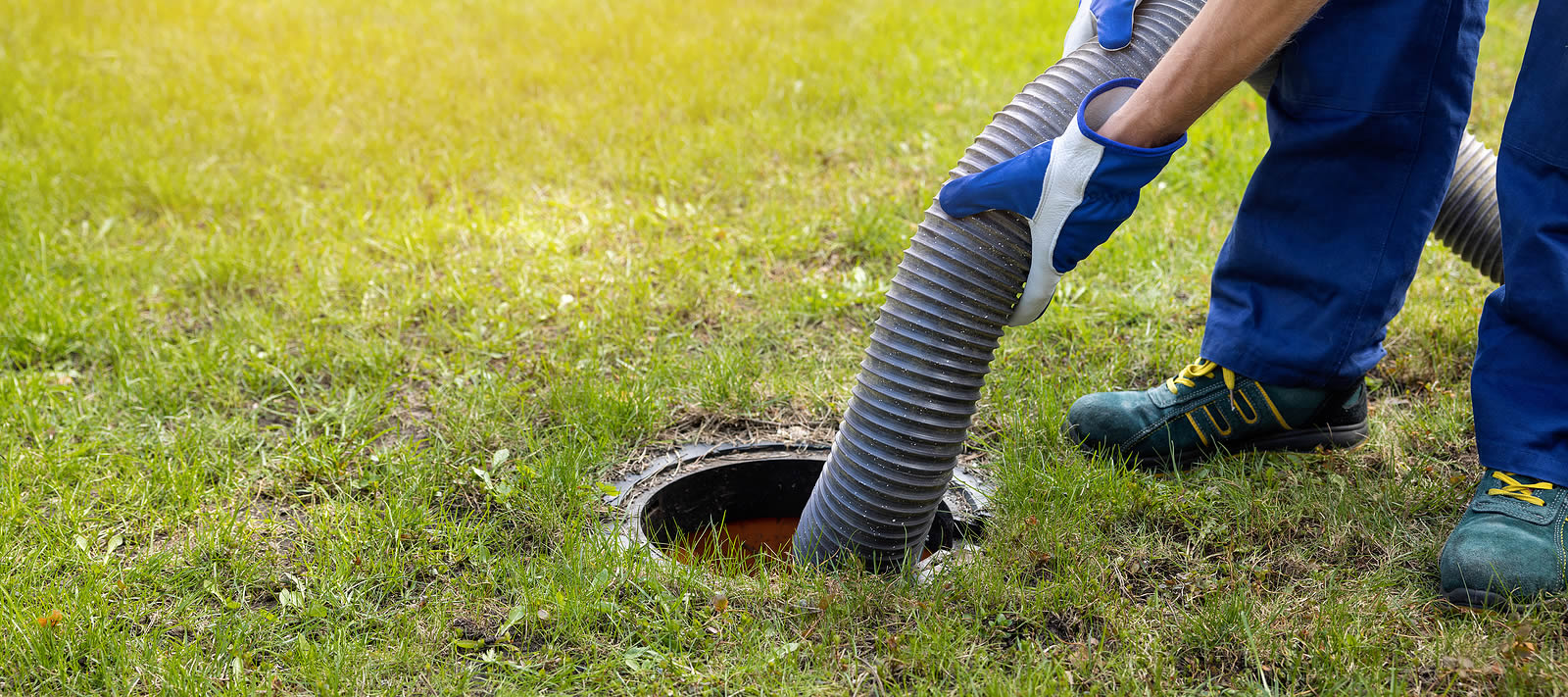
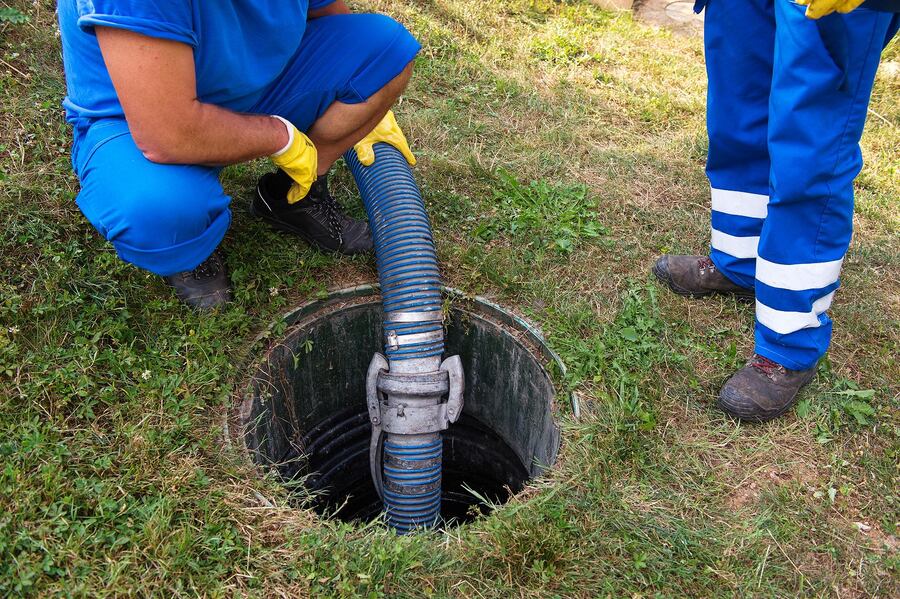
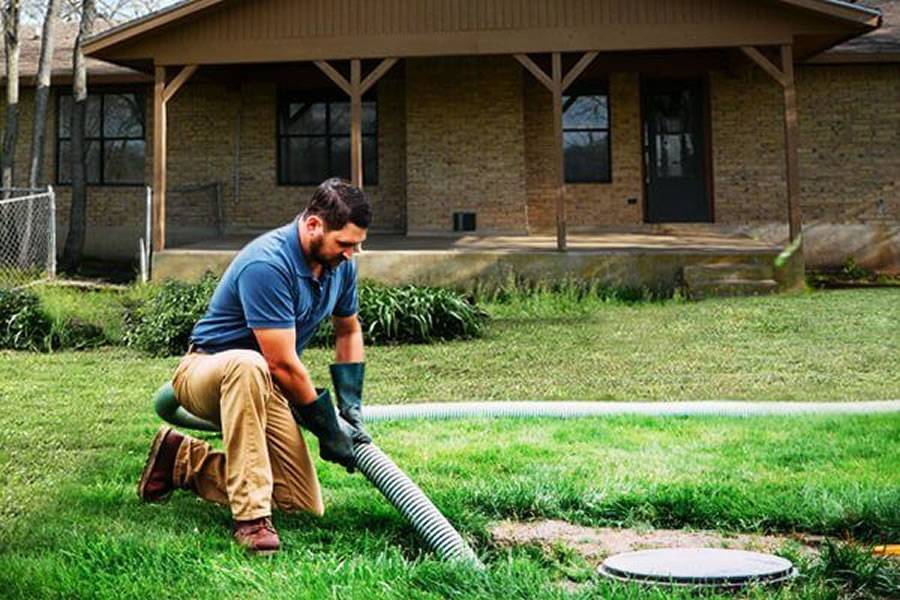
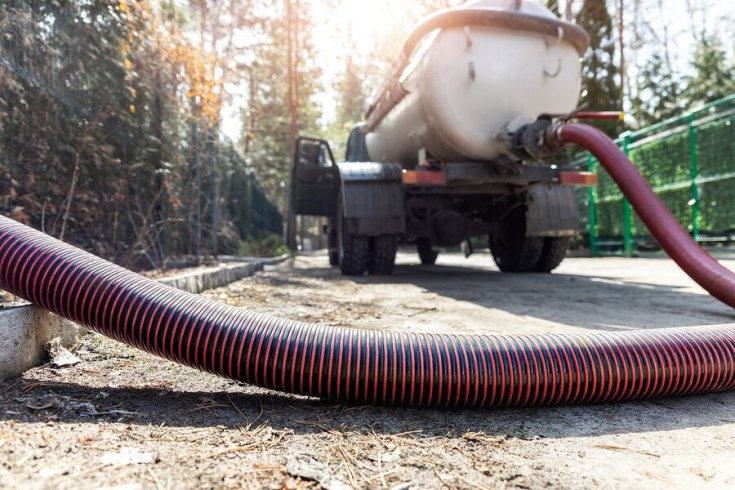
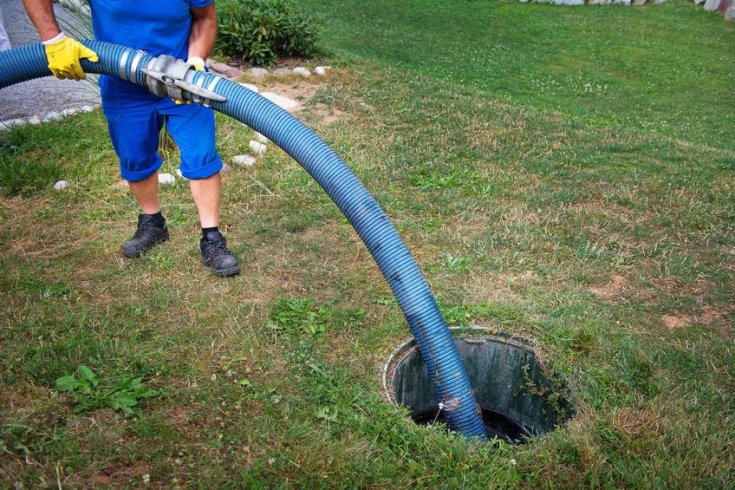
Septic tank pumping removes what accumulates at the bottom and top of the tank. Sludge builds at the bottom as heavy solids settle. Scum forms at the top from fats and lightweight materials. Both layers shrink the working liquid zone where bacterial activity takes place, and both are sources of odor when they build up past normal levels. No additive dissolves or removes either layer, but pumping does.
The standard recommendation is to schedule a septic tank pumping every three to five years, though the right timing depends on tank size, household occupancy, and daily water use. A technician can measure sludge and scum depth during a service visit and give you a specific timeline based on your system.
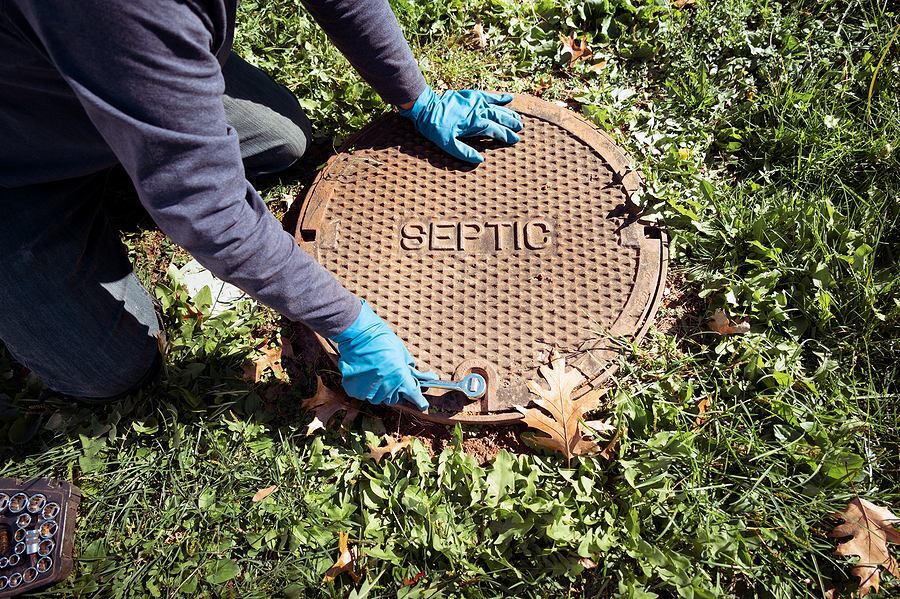
Septic tank cleaning also creates an opportunity to inspect components that affect odor and system performance. Technicians check the inlet and outlet baffles, look for cracks in the tank walls, and determine whether effluent is distributing correctly across the drainfield. Inspections can catch smaller problems before they turn into expensive repairs. Additives don't provide any of that diagnostic value. A tank serviced on schedule with intact components simply performs better and produces fewer odor complaints than one maintained primarily through products.
The Real Cost of Skipping Routine Service
Homeowners who rely on additives as a substitute for scheduled septic service typically discover a sewage backup into the house, standing water over the drainfield, or a persistent odor that won't respond to any product. At that stage, the repair options are more expensive and more disruptive than anything a routine septic service would have cost.
A tank that hasn't been pumped in ten years may have sludge and scum occupying 50 percent or more of the tank's capacity. Effluent leaving the tank carries heavy solids that clog the drainfield inlet pipes and biomat layer. Drainfield restoration through aeration or fracturing runs $1,500 to $5,000, depending on conditions. Full drainfield replacement can reach $10,000 or more. Routine septic service costs a fraction of these figures. Scheduling pumping on a regular cycle fixes minor issues early and keeps higher costs off the table.
Do You Need Professional Septic Cleaning or Septic Maintenance Services?
If your property has a persistent odor or you're past due for service, contact Greensboro Septic Pros to schedule an inspection. We'll identify what's causing the problem and tell you exactly what the system needs. As a local septic company, we prioritize honesty over unnecessary add-ons, and we back our work with direct communication about what we find.