Homeowners sometimes ask what our crew is going to do when the truck pulls up for a service call. Greensboro Septic Pros is here to walk people through the process. Septic pumping is simple when you know the steps, and it doesn’t need to be mysterious or stressful. Keep reading to find out exactly what takes place from start to finish.
Visits Starts With a Quick Look at Your Tank Lid and Access Point
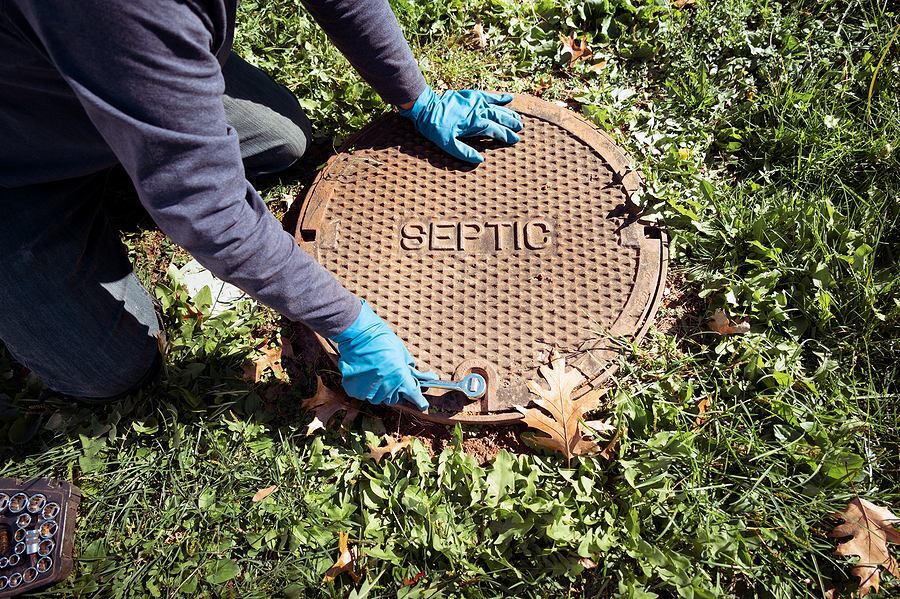
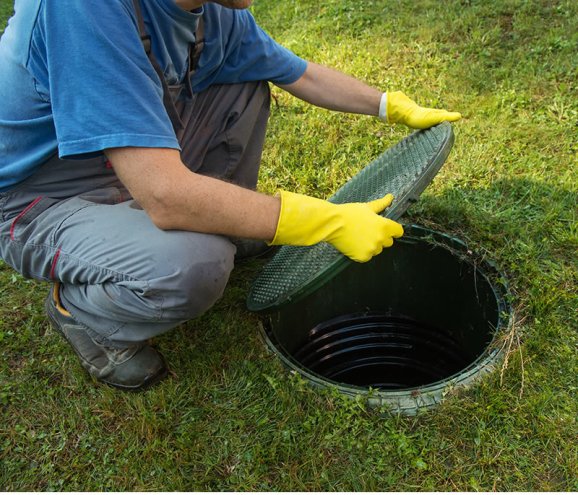
The crew starts at the lid since access to the tank comes first. The lid and the soil around it give the tech an early sense of site conditions. When a lid leans or sits lower on one side, it usually traces back to ground movement after a long wet spell or a change in soil grade. Once the lid is off, the tech checks the water level inside the tank and compares it to the normal operating range. A higher level points to slow movement through the system, and is usually tied to the drainfield or a blocked filter. A lower level suggests a different issue, like backflow through the outlet or a problem that allowed water to leave the tank. The crew also looks at the cleanout since it provides a safe place to monitor activity from the truck. The hose path gets planned on site to avoid plants, soft soil, and visible yard areas. All of this sets the stage for a smooth pumping process once the truck starts.
A Pump Hose Pulls Waste Out in a Controlled and Clean Process
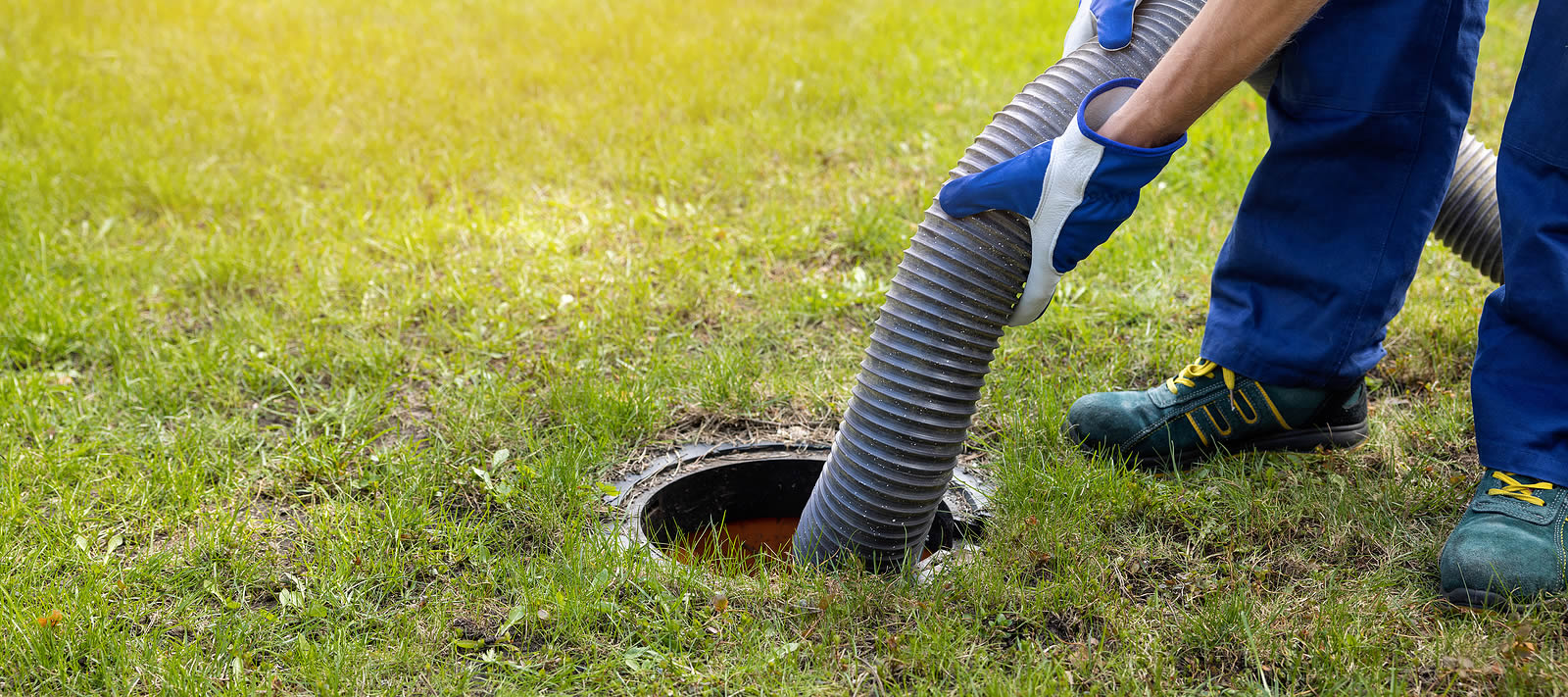
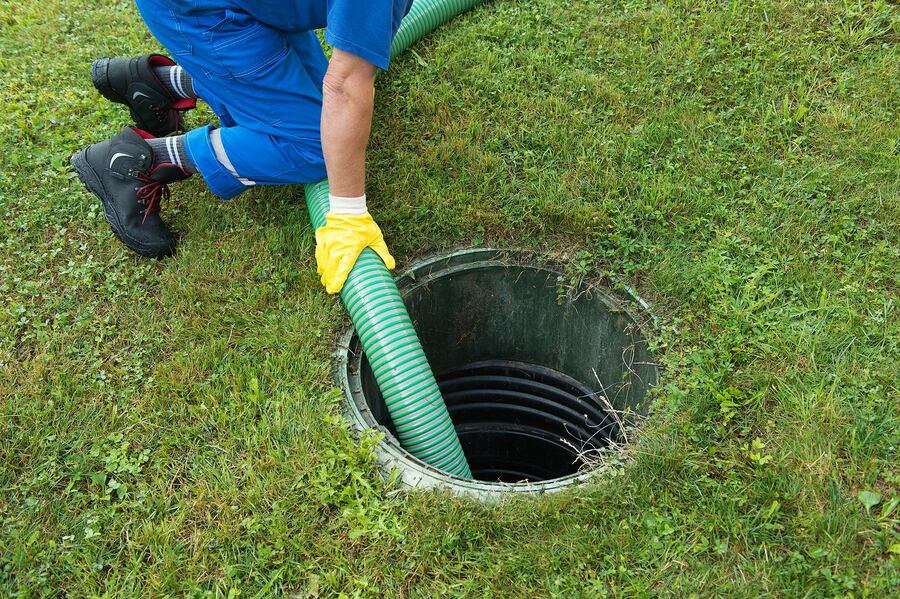
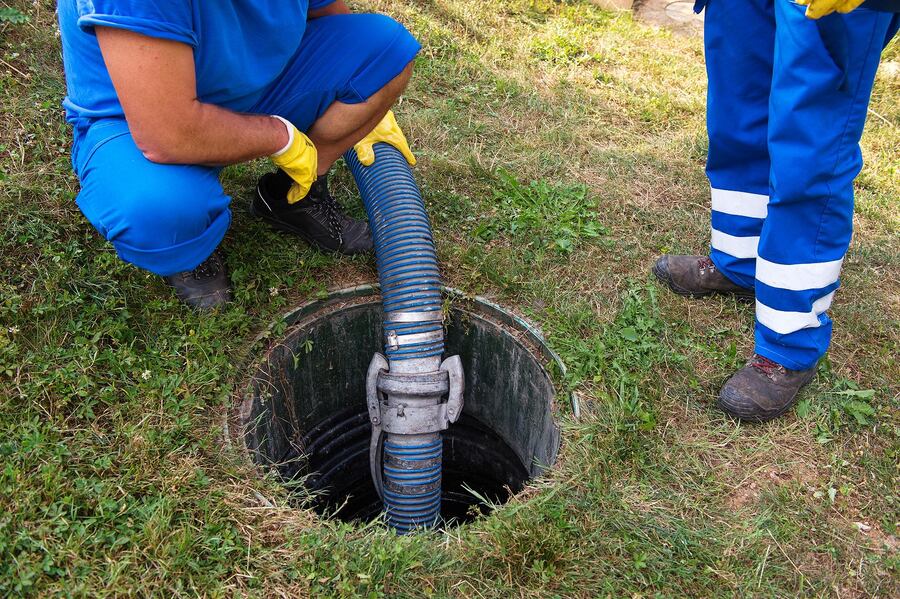
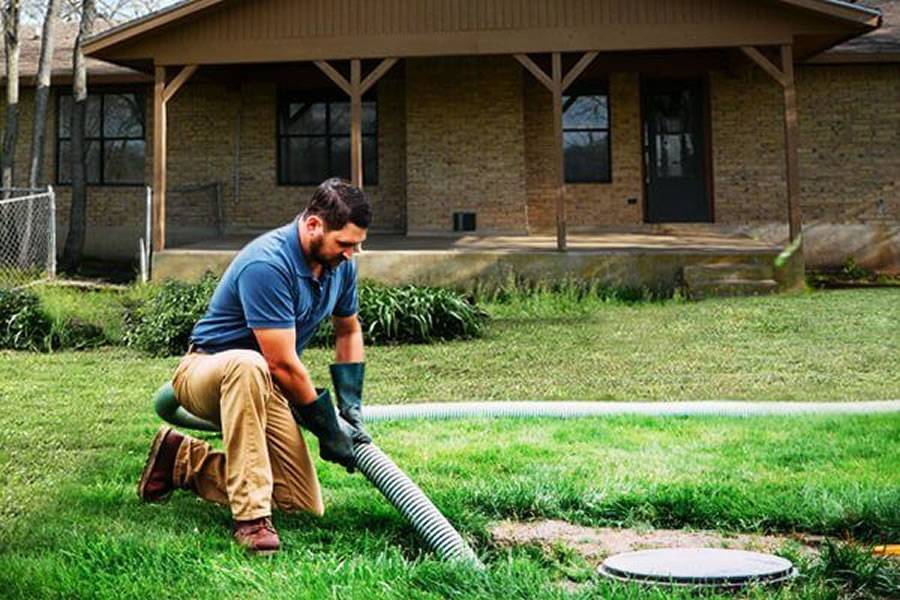
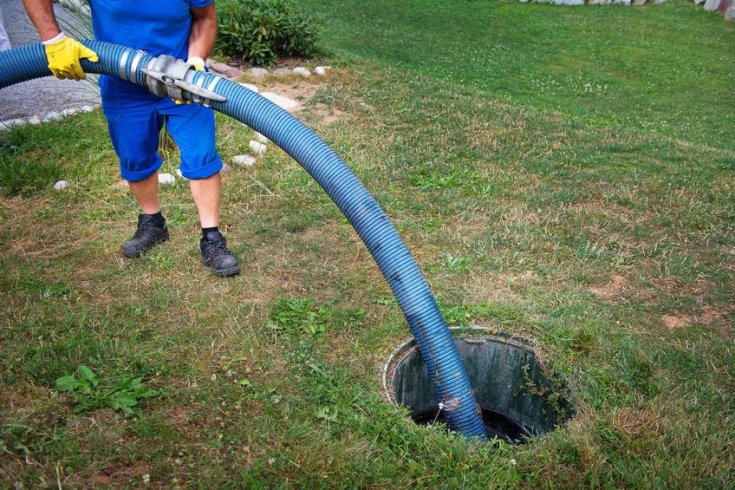
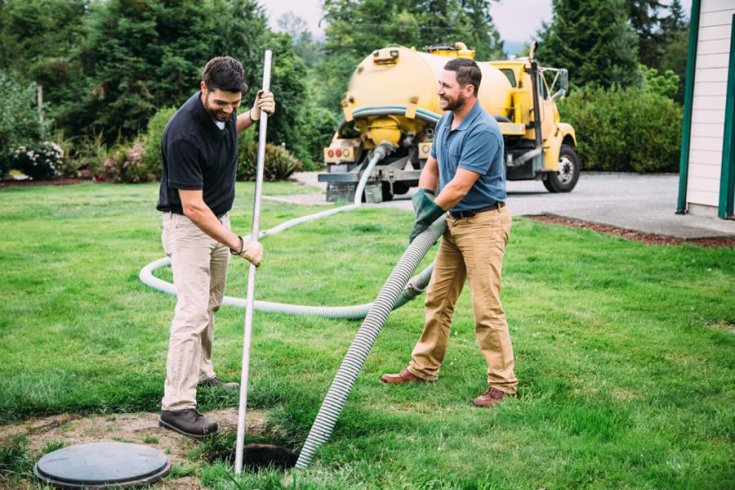
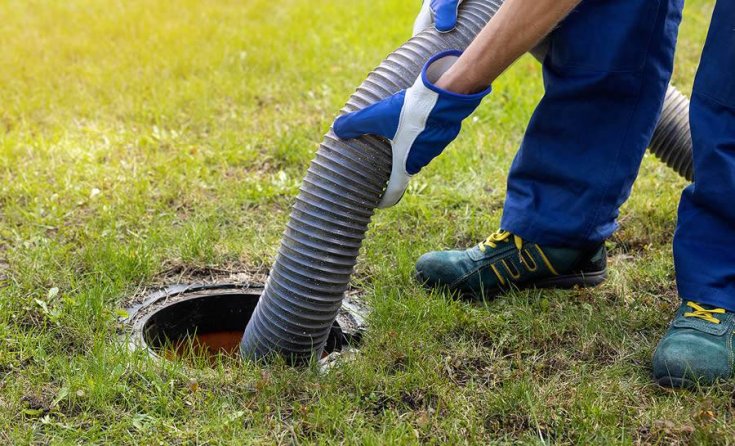
Once the hose is set, the truck pump starts, and the main work begins. Homeowners expect noise or a mess at this point, but the process stays controlled and contained the whole time. Material moves through the hose and into the truck tank, while the tech keeps an eye on the flow at the cleanout to be sure it stays even. If heavier material has settled at the bottom of the tank, the hose gets repositioned to break it up and keep things moving. All of the buildup needs to be cleared out completely. As the tank empties, the tech pays attention to how smoothly material is moving through the hose. If resistance shows up, they return to the tank to loosen thicker material so it can move through the hose without trouble. This part of the visit takes as long as it needs to, since leaving material behind defeats the purpose of the service. Once the tank is fully emptied, the pump is shut down, and the crew gets ready to move on to the next inspection step.
A Filter Check Tells You How Well Your System Has Been Moving Waste
After the tank is emptied, the tech removes the outlet filter if the system includes one. The filter plays an important role by keeping solids from reaching the drainfield. When the filter clogs, the tank fills faster than normal, and the home may experience slow drains or gurgling in the lines. Checking the filter shows the tech how material has been moving through the system. When the filter looks clean, it shows the tank has been doing its job and keeping solids separated the way it should. When the filter is clogged, it means material is collected at the outlet while the drainfield remains protected. How quickly that buildup happens depends a lot on household use. Larger families and frequent laundry cycles tend to send more material through the system, which causes the filter to fill up faster. The tech rinses the filter to clear the slots and restores flow through the tank. Then they explain what was found, so the condition of the system is known. During this check, they also note any odors near the outlet. Odors at this point are linked to venting conditions and a blocked vent can push gases back toward the home.
The Tech Looks for Cracks or Wear Inside the Tank Structure
With the tank empty and the filter cleaned, the tech takes time to look over the inside of the tank itself. Concrete tanks change as they age, especially after long wet seasons or shifts in the soil, so the tech works along each wall and pays close attention to the inlet and outlet areas where wear shows up first. If anything looks off, it gets explained on the spot, along with what it means and what comes next. The tech also looks at the corners and the floor to make sure the cleanout was complete and that no material was left behind that could shorten the time between visits. Tanks with risers or baffles get an extra look at the joints where those parts connect to the main walls. At the end of the day, the tank needs to hold water where it belongs and keep solids from reaching the drainfield. The crew explains what they see and if everything looks solid, they say so. If wear is starting to show, they walk through the options so you know where things stand.
Water Level and Flow Checks Confirm That the System Is Working Right
After the tank inspection wraps up, the tech may ask you to run a faucet inside the home. A steady flow into the inlet lets the tech watch how the tank handles incoming water and how it moves through the outlet toward the drainfield. During your septic service, this check helps spot slow movement inside the system. A slower drop inside the tank points to trouble at the outlet or drainfield, while a stronger drop shows water is moving the way it should. The tech may also add a measured amount of water near the outlet and watch the level as it drops, then explain what those readings mean during your septic service. A system in good condition moves water without delays. While this is happening, the crew also keeps an eye on the soil around the tank, watching for wet areas or pooling where the grade pushes water toward the area. Observations get noted for future visits.
Final Steps and a Clear Wrap Up Before the Lid Goes Back On
The tech wraps up with a final check of the tank interior, the filter, and the inlet and outlet levels. This final review reflects the level of care you should expect from a professional septic company. The lid gets set back in place with care so the seal stays tight. The tech gathers the hose and tools and leaves the yard clean and undisturbed. You also get a brief explanation of how the system performed during the visit. The septic company explains what was observed during the visit and answers any questions that come up. Some homeowners ask about timing for the next visit. The tech gives an answer based on tank size and household use.
Is It Time for Your Next Service?
Knowing what happens during septic tank cleaning helps homeowners understand the work and the timing behind it. Each step checks a different part of the system and builds a picture of how everything is working. When the process is familiar, it’s easier to spot changes and plan the next visit. For scheduling or questions about septic tank cleaning in Haw River, NC, contact Greensboro Septic Pros today.