Your septic system is supposed to handle everything your household sends down the drains, but it can only do that job when every component works together. Sludge builds up, bacteria levels fluctuate, and pipes can develop blockages. Learning how septic maintenance keeps waste flowing gives you a clear picture of what's happening underground and why regular attention matters. Greensboro Septic Pros helps homeowners avoid backups, slow drains, and system failures by staying ahead of problems. Keep reading to find out what maintenance accomplishes inside your tank, how neglect disrupts the flow, and which services keep your system working the way it needs to.
The Journey Waste Takes From Your Drains to the Drain Field
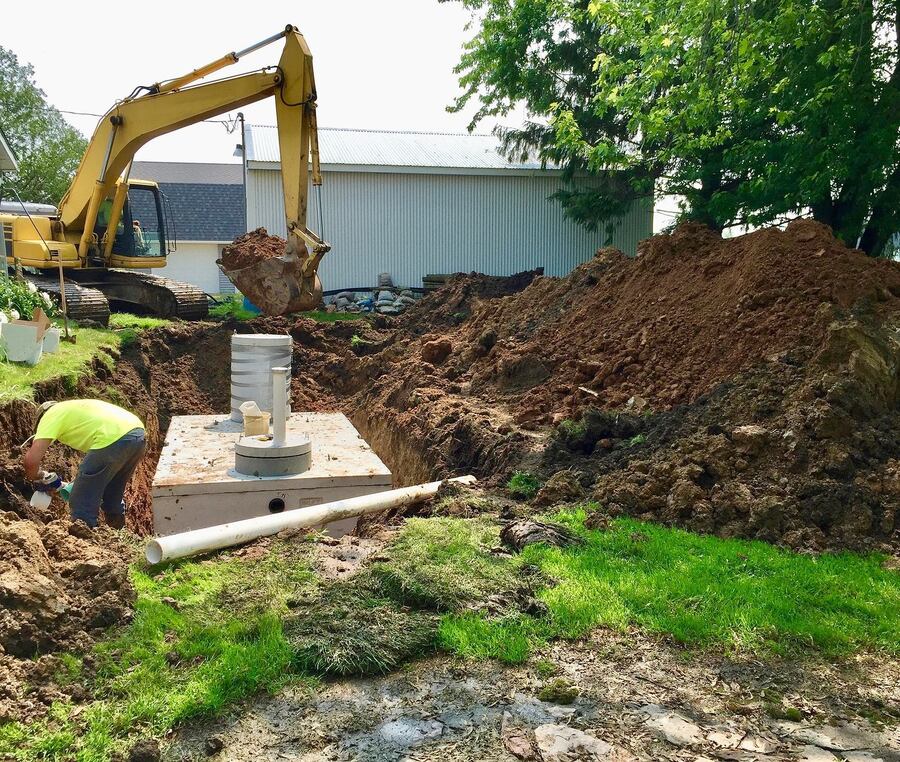
Every flush, shower, and sink drain sends wastewater through the same path. Liquid and solid waste travel through your home's main sewer line into the septic tank, and then gravity does the first round of sorting. Heavier solids sink to the bottom and form a sludge layer. Fats, oils, and lighter materials float to the top as scum. The middle layer contains liquid called effluent that exits through the outlet pipe and goes into the drain field, where perforated pipes distribute it across gravel trenches. From there, the liquid filters down through the soil layers, which removes harmful bacteria and nutrients before it reaches groundwater. The process depends on each stage working without interference. A clog at the inlet blocks new waste from entering. Too much sludge reduces the tank's volume. A failing drain field forces wastewater back toward the house. When a septic company in Haw River, NC inspects your system, they trace the entire journey to pinpoint exactly where problems might develop.
How Sludge Accumulation Slows Down Your Entire System
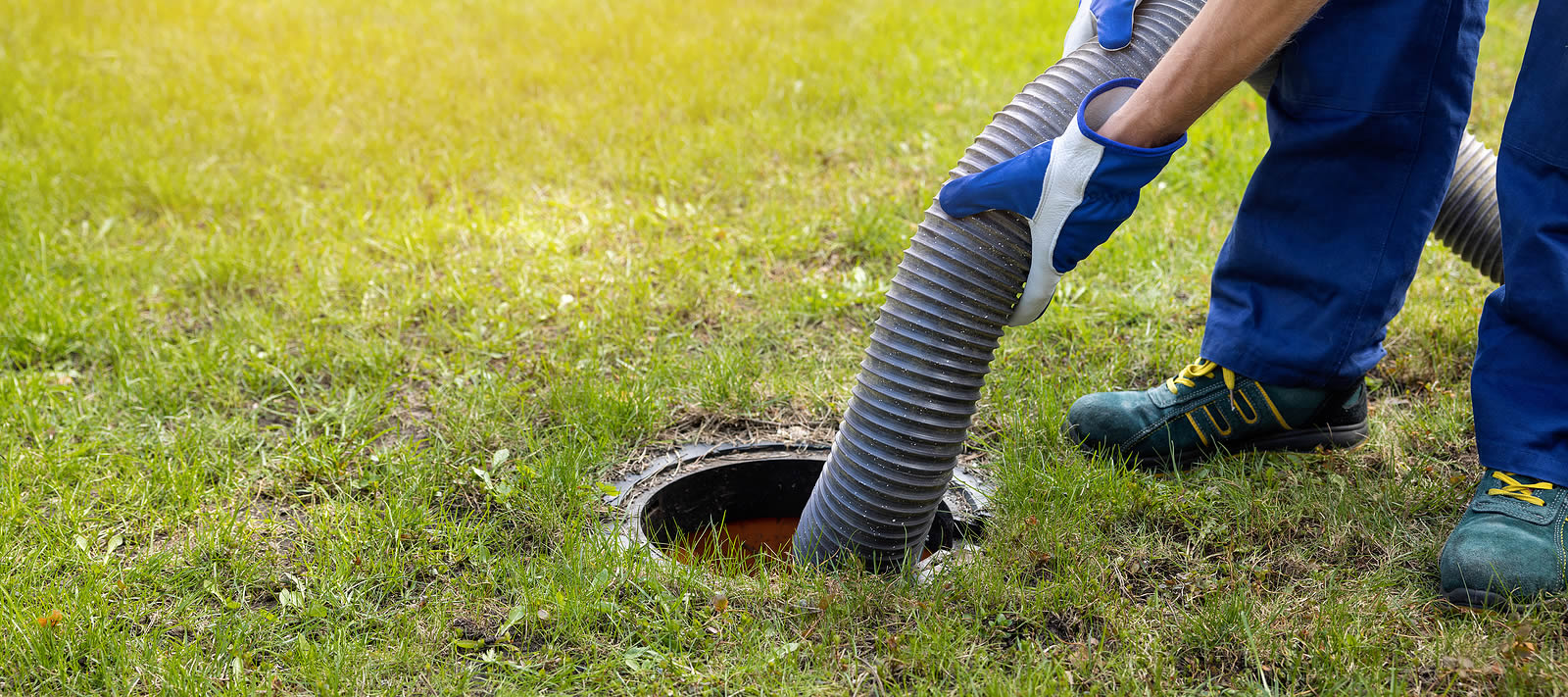
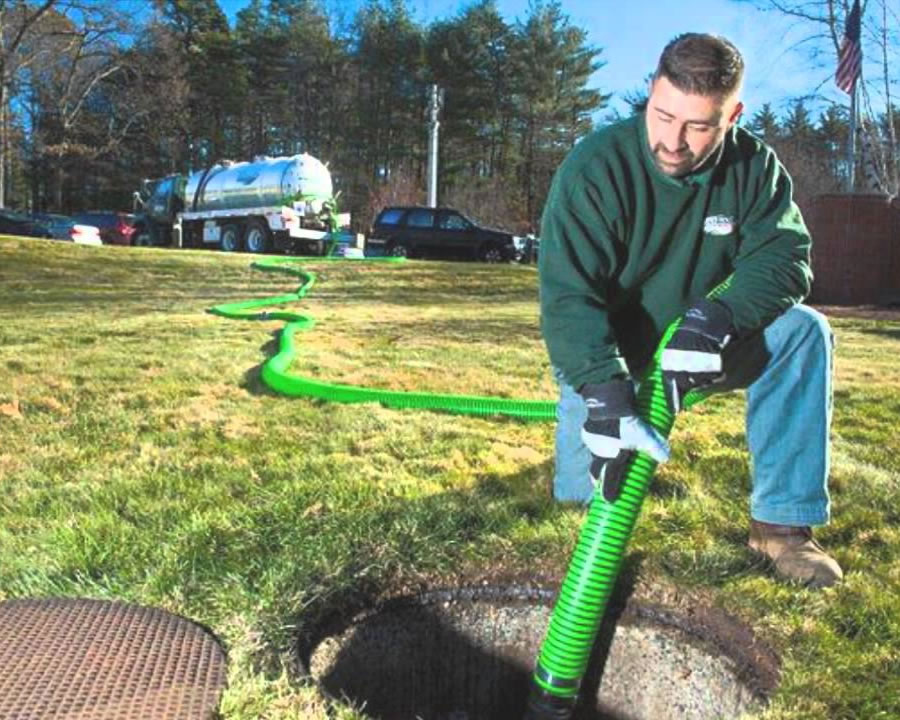
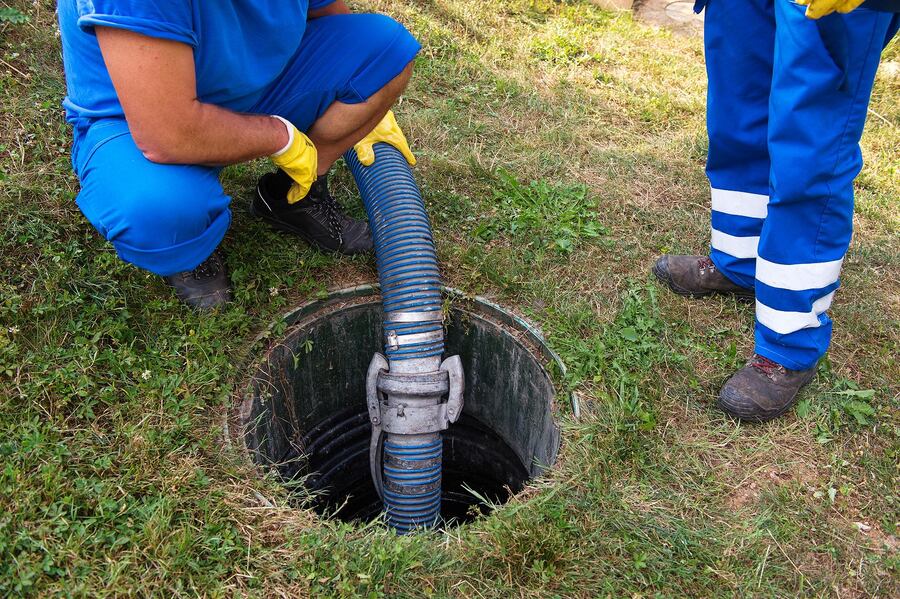
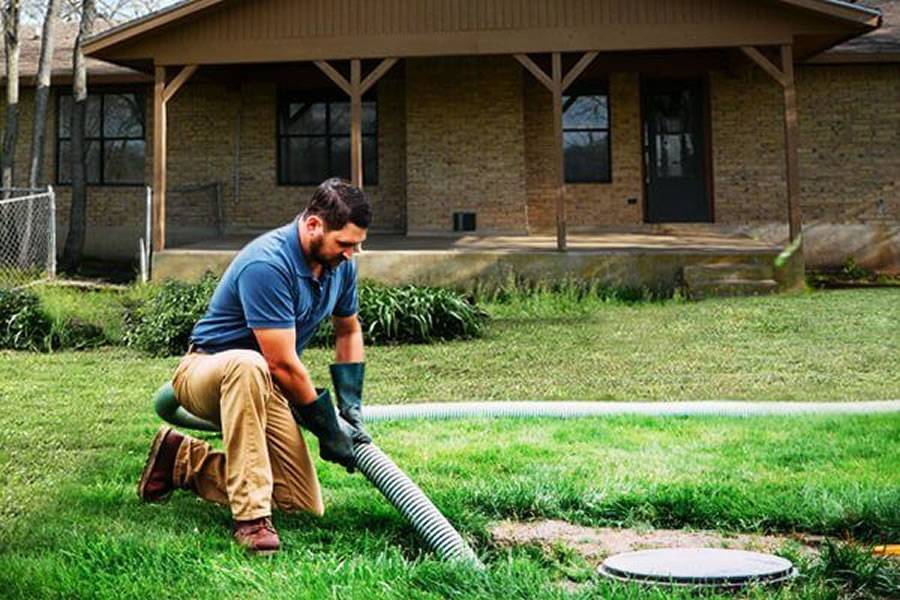
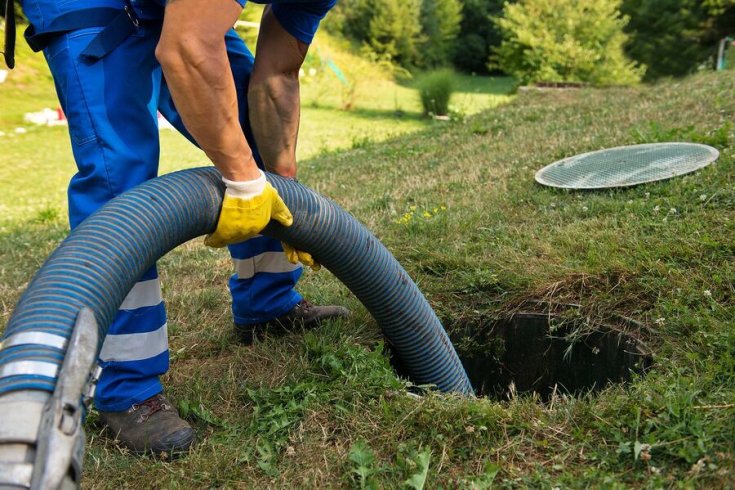
Sludge never stops forming. Every solid that enters your tank settles and compresses at the bottom, and the layer grows thicker each year. A standard residential tank can hold three to five years' worth of sludge before it starts to interfere with normal function. Once sludge rises too high, it reduces the space available for wastewater treatment. New waste entering the tank stirs up settled solids, and particles that should stay behind start escaping into the drain field. The solids clog the perforated pipes and seal off the soil's absorption capacity. A drain field choked with solids can't process effluent, and wastewater has nowhere to go except back toward your home or up through the ground. Routine septic tank pumping removes accumulated sludge before it reaches critical levels. Professionals measure the sludge layer during routine inspections and recommend pumping based on accumulation rather than arbitrary schedules. Skipping this step just transfers the cost to more expensive drain field repairs or a full system replacement.
The Bacterial Balance That Keeps Solids Breaking Down
Your septic tank is a living system. Anaerobic bacteria colonize the tank and break down organic solids into simpler compounds. These microorganisms digest toilet paper, food, and other biodegradable waste, and reduce the volume of sludge. The bacteria also generate gas that escapes through roof vents and helps maintain pressure balance in your plumbing. The biological activity requires the right conditions. Harsh chemical drain cleaners, antibacterial soaps, and some medications can kill beneficial bacteria and halt the decomposition process. Without active bacteria, solids accumulate faster, and the tank fills more quickly. The most reliable way to support bacterial health is to avoid dumping toxic substances down drains. Septic cleaning removes excess sludge that bacteria can't process fast enough, but it works best when the tank's biological activity remains strong between service visits.
Why Inlet and Outlet Baffles Deserve Routine Inspection
Baffles are simple plastic or concrete barriers inside your tank, and they perform critical work. The inlet baffle directs incoming wastewater downward below the scum layer, which prevents the force of new waste from disturbing settled solids. The outlet baffle blocks floating scum from escaping into the drain field while allowing cleaner effluent to pass through at the correct depth. Both baffles will deteriorate eventually. Older concrete baffles crack or crumble, and plastic baffles can warp or detach from their mounting points. A damaged inlet baffle allows turbulence that mixes sludge back into the liquid layer. A failed outlet baffle lets grease and solids flow directly into the drain field pipes, where they cause irreversible damage. Inspecting baffles during septic tank pumping catches deterioration early. Replacement costs less than repairing a drain field contaminated by escaped solids. A qualified technician can check baffle condition, install replacements if needed, and verify that both components sit at the right depth. This inspection takes minutes but prevents thousands of dollars in potential repairs.
What a Proper Maintenance Schedule Includes
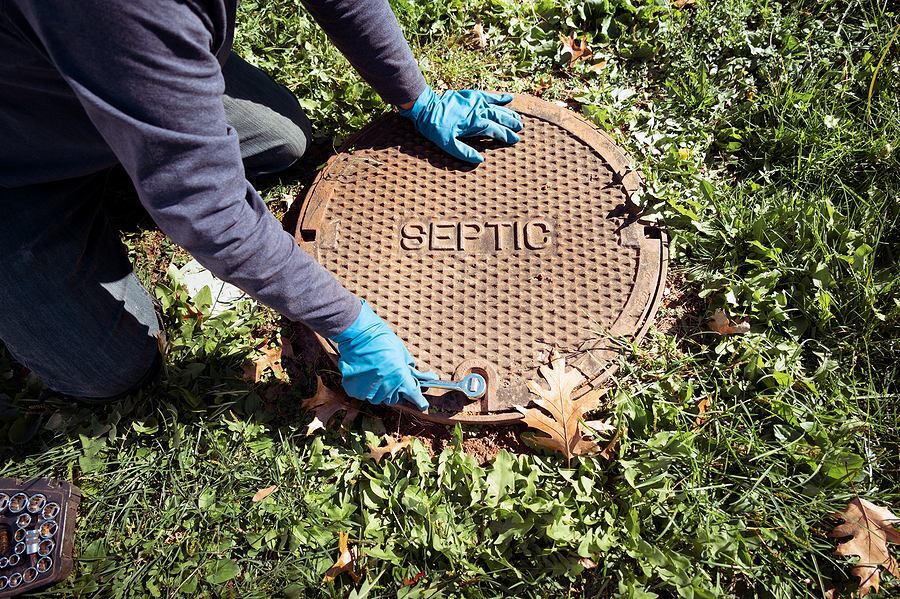
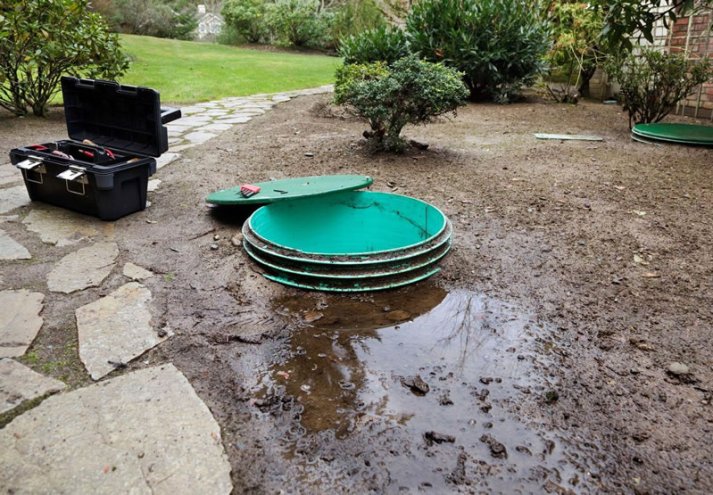
A complete schedule includes annual inspections, routine pumping, baffle checks, and drain field monitoring. During an inspection, a technician locates the tank access points, measures sludge and scum layers, checks baffles for damage, and examines risers and lids for cracks. They also inspect the drain field for warning signs like wet spots, odors, or unusually green grass. Pumping frequency depends on your tank size and how many people live in the home. A two-person household with a 1000-gallon tank might pump every five years. A family of five with the same tank may need septic service every two to three years. High water usage, garbage disposals, and certain household products increase the load on your system and shorten the interval between pumpings. Keeping records of each inspection and septic cleaning helps track patterns and catch changes.
Are You Looking for a Local Septic Company That Can Help?
Your septic system works constantly without asking for attention, but silence doesn't mean everything is fine. Sludge accumulates, bacteria fluctuate, and baffles wear down. The best time to take care of these issues is before wastewater backs up into your home or floods your yard. Greensboro Septic Pros provides inspections, pumping, and repairs that protect your system and your property. Contact us today to schedule your next septic service.